
By Nicolas Zart
There are more solutions than obstacles. Nicolas Zart
The dream of “Direct Aviation”—taking off from a neighborhood field or a corporate parking lot—has always faced an invisible ceiling: The FAA’s Instrument Flight Rules (IFR).
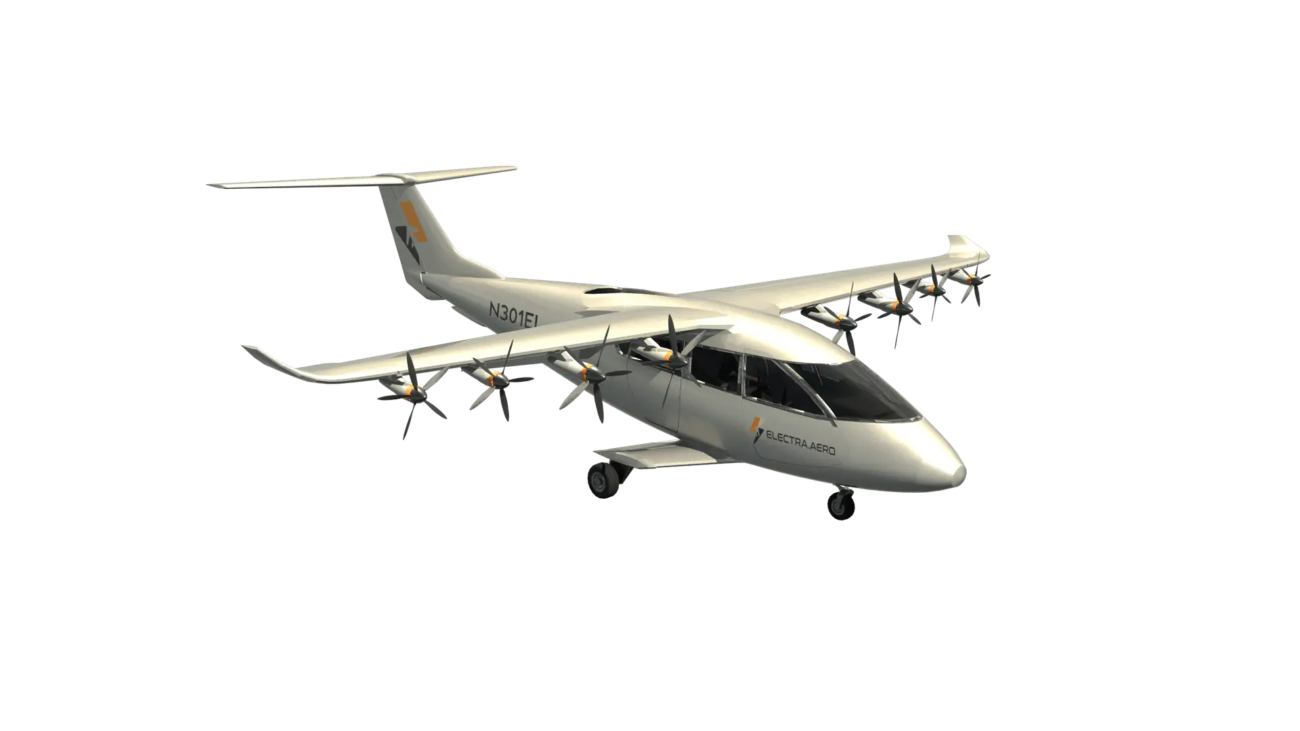
While most AAM hype focuses on the aircraft themselves, the real bottleneck has been the airspace. How do you integrate a nine-passenger hybrid-electric aircraft that lands in 150 feet into a sky dominated by massive Boeing 737s?
The Shift from Airframe to Ecosystem
Most companies are now shifting focus toward the broader ecosystem, eager to make a definitive business case through varying strategies. There is a growing realization among the industry’s brightest potentials that a high-performance aircraft, while necessary, is no longer the primary driver of value. The real “sweet spot” is the infrastructure and operational web that supports it. Companies like BETA Technologies have already demonstrated this by prioritizing their multimodal charging network as much as their ALIA airframe. For leaders in this space, the aircraft is a brilliant addition to a functional, profitable ecosystem—not a standalone miracle.
“Understanding the shift from ‘Aircraft First’ to ‘Ecosystem First’ is the difference between an enthusiast and an insider. On my Patreon, I am conducting monthly Deep Dives for Tier 2 Strategic Partners. Last month, we deconstructed BETA’s infrastructure play; this month, we are analyzing the Bristow Group’s aggressive pivot into global AAM operations. [Join the Intelligence Circle on Patreon]”
In a landmark partnership with the Virginia AAM Smart Airspace Program, Electra.aero is moving beyond flight tests and into the realm of infrastructure. Alongside Virginia Tech’s Mid-Atlantic Aviation Partnership (MAAP) and NAVOS Air, they are establishing the nation’s first FAA-approved IFR network specifically for Ultra Short Takeoff and Landing (eSTOL) aircraft.

Go Deeper: Strategic Intelligence Briefings.
Breaking the “VFR Only” Barrier
Until now, most AAM concepts were limited to Visual Flight Rules (VFR)—essentially requiring clear skies to operate. For a commercial service to be reliable, it must operate in “Instrument Meteorological Conditions” (low clouds and poor visibility).
Existing IFR procedures are designed for long runways and wide turning radii. Electra’s new partnership creates dedicated GPS-based arrival and departure “tunnels” that:
- Separate AAM traffic from heavy commercial jets.
- Enable all-weather reliability for regional commuters.
- Utilize “Micro-Airports”: Including fields, turf runways (like Shannon Airport), and even off-airport access points at the Virginia Tech Transportation Institute.
The Economic Engine: Beyond the Airframe
This isn’t just about cool technology; it’s about a $16 billion economic projection. By 2045, Virginia expects this AAM ecosystem to generate 17,000 high-value jobs.
By connecting four distinct “nodes”—from the regional Roanoke-Blacksburg Airport to rural turf strips—Electra is proving that the EL9 Ultra Short can turn underutilized land into a transit hub without the billion-dollar price tag of a traditional airport.
Deep Dive: The “Ways We Move” Podcast
I recently sat down with Marc Ausman on my podcast, The Ways We Move, to discuss the philosophy behind Electra’s Direct Aviation model. We explored how removing the “airport hassle” is the true key to scaling electric aviation.
Watch/Listen: Marc Ausman on The Ways We Move — Direct Aviation Philosophy
The Broader Shift: An All-Electric Ecosystem
At Electric Air Mobility News, we recognize that the sky is only one part of the equation. The “Virginia Blueprint” for AAM is a precursor to a wider multimodal shift. As we look toward the future, the integration of Electric Vehicles (EVs) at these new access points, Electric Rail connecting urban centers, and Electric Maritime solutions for coastal regions will create a seamless, carbon-neutral transit web.
Electra isn’t just building a plane; they are helping build the “operating system” for the next century of movement.
Go Deeper: Strategic Intelligence Briefings.
Go Deeper: Strategic Intelligence Briefings.Coming Soon: The Fluid Future of Movement
“There are more solutions than obstacles.” — Nicolas Zart
For years, we’ve looked to the skies to solve the “last mile” problem of aviation. But at Electric Air Mobility News, we know that true freedom of movement doesn’t stop at the runway. Whether it’s an Electra EL9 landing in a parking lot, a high-speed Electric Rail corridor bypassing highway gridlock, or a zero-emission Electric Hydrofoil transforming coastal transit—the mission is the same.
We are expanding our coverage to bridge the gaps between the hangar, the harbor, and the heart of the city. We aren’t just talking about vehicles; we are talking about a unified, electrified ecosystem.
Stay tuned as we dive into waves and rails.