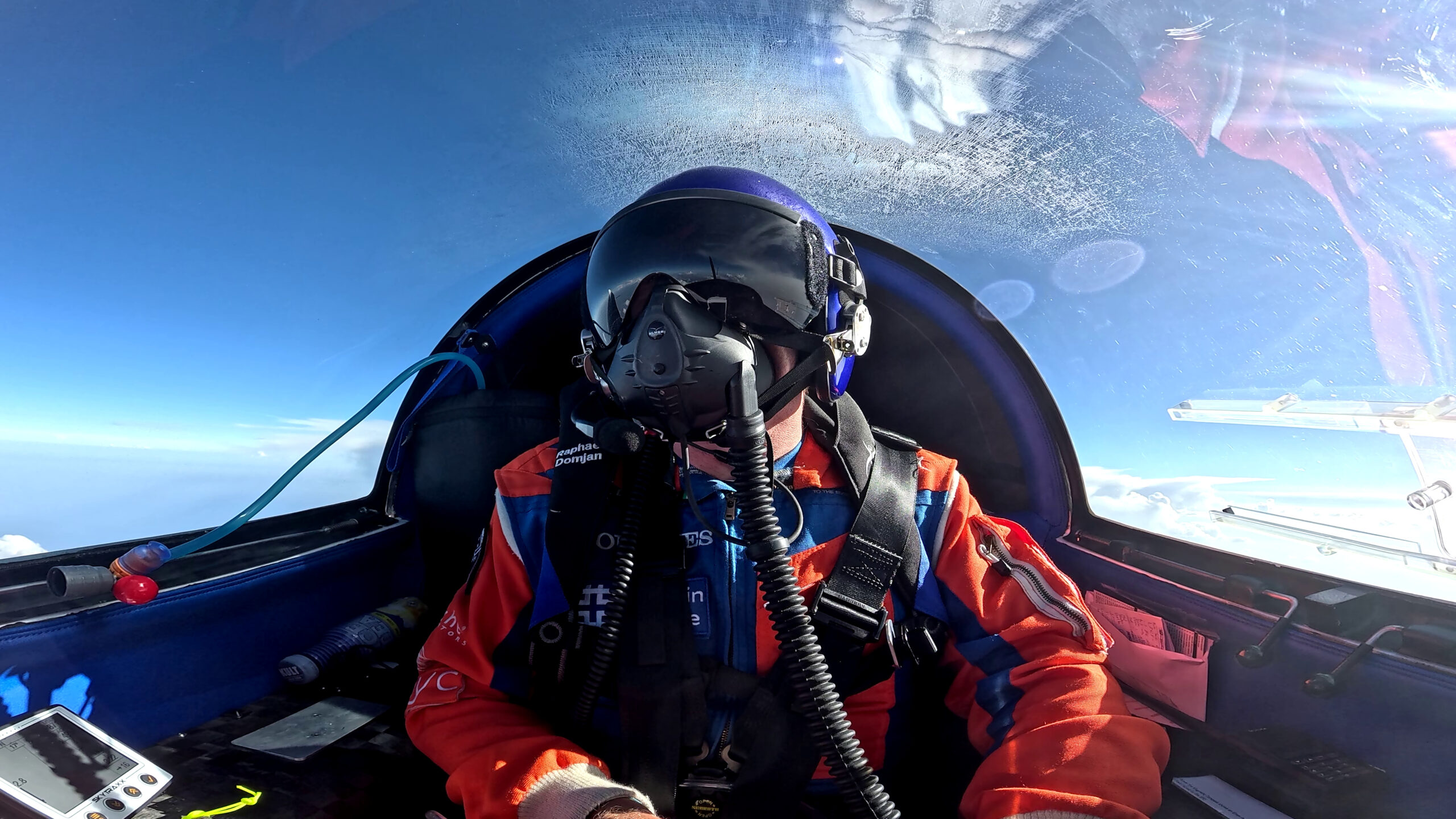
On August 12, 2025, SolarStratos made history as pilot Raphaël Domjan soared to 9,521 meters using only solar energy. This landmark flight demonstrates the potential of electric and solar-powered aviation to reach airliner altitudes, pushing the boundaries of clean, silent, and sustainable air mobility. The milestone underscores a promising future for decarbonized flight inspired by renewable energy innovation.
In this episode of The Ways We Move podcast, Clint Harper, a military airport manager and urban planner, explores how airports can embrace advanced air mobility and evolve into multi-modal hubs. Learn how resilient infrastructure, community engagement, and smart economics can help airports lead the way in supporting electric aviation and regional connectivity.
Destinus’s acquisition of AI avionics specialist Daedalean strengthens its position in autonomous flight with enhanced AI capabilities for defense and civil UAVs.
On The Ways We Move podcast, guest Rex Alexander talks about how advanced air mobility (AAM) infrastructure is changing how we see and conceptualize urban air mobility (UAM) and regional air travel, challenges, regulatory updates. Most importantly, a strong, safe, and robust infrastructure will allow for a cleaner and more efficient future of air travel. Find out more about what the future of air travel looks like from Mr. Infrastructure himself!
Charging an EV battery to 100% regularly can shorten its lifespan. Experts recommend keeping charge levels mostly between 20% to 80% to reduce stress on the battery and maintain better long-term performance.
Joby Aviation’s acquisition of Blade Air Mobility’s passenger business marks a major step in expanding urban air mobility infrastructure. This strategic move brings Joby closer to operational passenger hubs, accelerating the rollout of electric air taxis in key global markets.
The FAA’s MOSAIC modernizes the path for light sport and electric aircraft by removing outdated weight and speed limits and expanding eligible designs. This article explains how the new rule benefits advanced air mobility, supports pilot training, and prepares the industry for a new era of clean, affordable aviation.
There are more solutions than obstacles. Nicolas Zart
In this special episode of The Ways We Move, I have the privilege of sitting down with Rex Alexander, an old friend and one of the most respected professionals working in aviation infrastructure today, building the future of advanced air mobility (AAM). Rex is the founder of Five Alpha, also known as Mr. Infrastructure, a title that fits his great knowledge of the industry. With military aviation and helicopter, emergency, ambulance, and commercial aviation expertise, he has become the person industry leaders call when they need honest answers and trusted guidance on heliports, vertiports, and the rapidly growing world of multiport operations.
Joby S4 eVTOL taking off – Picture Nicolas Zart
We reflect on how far the conversation around infrastructure has come since 2018, when the standards and policies governing heliport and vertiport operations truly began to evolve. Rex shares his first-hand perspective on the long series of meetings with the FAA and other agencies, collaborations that have helped push standards forward and align policies across not only the United States, but also Europe and global regulatory bodies such as EASA and ICAO. As regulations move forward, the need for common frameworks and mutual recognition becomes more urgent.
Advanced Air Mobility, Humble Beginnings, Amazing Potential
The discussion explores the practical realities behind the promise of electric vertical take-off and landing (eVTOL), electric short take-off and landing (eSTOL), and finally, electric conventional take-off and landing (eCTOL). We highlight the difference between prototype and commercial certification, the integration of the various aircraft operations, and the harmonization of air traffic as great challenges, as well as the keys to real-world deployment. Rex explains why the United States faces particularly complex hurdles; land use and infrastructure oversight are split between federal, state, and municipal authorities, creating a patchwork of rules and requirements. In contrast, many other countries have much more centralized systems, which can streamline progress but also present new sets of questions.
Electra.Aero eSTOL
The Rebirth of Regional Airports for AAM
Rex and I talk about the crucial roles regional airports play, especially as the industry looks beyond just vertiport sites and envisions multiport networks. These will enable not only eVTOLs but also eSTOL and eCTOL aircraft, paving the way for a more holistic and inclusive system of operations. Rex emphasizes that success in building AAM infrastructure is not just about engineering or policy, but about understanding what each community and operator truly needs.
Throughout our conversation, it becomes clear that municipal engagement is essential. The future of flight will depend on strong partnerships at every level, and cities must be included in the vision from day one. As Rex says, we need solutions that are practical, scalable, and shaped by the realities on the ground.
Rex’s Journey into Aerospace
Rex’s journey began early, with his hands on flight controls before he turned fifteen, moving through fixed wing and rotorcraft, from military service to the offshore sector, and finally, to leading the charge on infrastructure best practices that have become industry standards. He is someone who brings not just technical expertise but a sense of stewardship for safety, reliability, and the broader mission of connecting people through aviation.
There is no shortcut to building trust in a field as safety-critical as aviation. Voices like Rex’s—honest, experienced, and deeply committed—are essential as we create infrastructure that will sustain the next generation of aviation. Our conversation is full of insight on where we are, how we got here, and what it will take to ensure AAM infrastructure serves everyone: operators, regulators, and the communities we all aim to connect.
NASA AAM eVTOL operations
We wrap up part one, looking forward to future episodes where we continue the discussion on global standards, community engagement, and what it means to build for longevity rather than hype. Rex, thank you for the work you do, for your guidance, and for always taking my calls when I need answers that cut through the noise.
Please share your thoughts, comments, and questions. Subscribe to The Ways We Move for more in-depth conversations with leaders who are shaping the future of mobility and infrastructure
From the moment I first connected with SkyDrive, I sensed they were onto something transformative. By forging deep partnerships with Japan’s leading rail operators, SkyDrive is maximizing the efficiency and reach of urban air mobility—creating seamless, short-hop connections that complement the country’s world-class public transit. Their strategy isn’t just smart; it’s a blueprint for how UAM can truly thrive in dense, transit-rich cities.
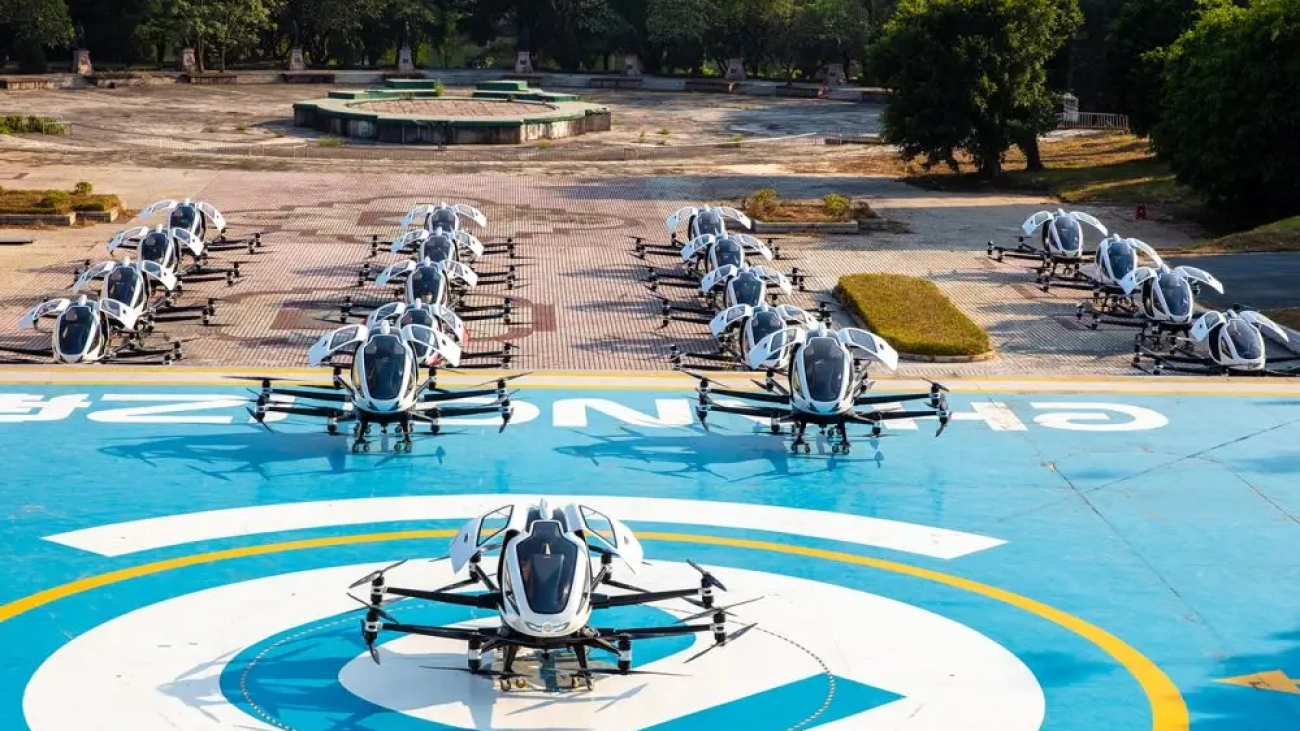
FlyNow Aviation, co-founded by Yvonne Winter, is transforming urban air mobility with its modular, cost-effective eCopter and a business model focused on making 3D mobility as affordable as a taxi ride. With a pragmatic approach to automation and a focus on real-world impact, FlyNow is poised to bring electric vertical flight to cities worldwide.
Shopping Basket
Cookie Consent
We use cookies to improve your experience on our site. By using our site, you consent to cookies.
Contains information related to marketing campaigns of the user. These are shared with Google AdWords / Google Ads when the Google Ads and Google Analytics accounts are linked together.
90 days
__utma
ID used to identify users and sessions
2 years after last activity
__utmt
Used to monitor number of Google Analytics server requests
10 minutes
__utmb
Used to distinguish new sessions and visits. This cookie is set when the GA.js javascript library is loaded and there is no existing __utmb cookie. The cookie is updated every time data is sent to the Google Analytics server.
30 minutes after last activity
__utmc
Used only with old Urchin versions of Google Analytics and not with GA.js. Was used to distinguish between new sessions and visits at the end of a session.
End of session (browser)
__utmz
Contains information about the traffic source or campaign that directed user to the website. The cookie is set when the GA.js javascript is loaded and updated when data is sent to the Google Anaytics server
6 months after last activity
__utmv
Contains custom information set by the web developer via the _setCustomVar method in Google Analytics. This cookie is updated every time new data is sent to the Google Analytics server.
2 years after last activity
__utmx
Used to determine whether a user is included in an A / B or Multivariate test.
18 months
_ga
ID used to identify users
2 years
_gali
Used by Google Analytics to determine which links on a page are being clicked
30 seconds
_ga_
ID used to identify users
2 years
_gid
ID used to identify users for 24 hours after last activity
24 hours
_gat
Used to monitor number of Google Analytics server requests when using Google Tag Manager