Set aside the courtroom drama for a moment. The part of the Advanced Air Mobility industry that’s actually building things — certifying propulsion systems, rolling out new prototypes, deploying aircraft for emergency response, and pivoting legacy helicopter companies toward autonomy — is moving faster than the headlines suggest. Here’s a clear-eyed look at what happened in the past two weeks and what it means.
Joby’s First FAA-Conforming eVTOL Takes Flight
On March 11, 2026, Joby Aviation crossed one of the most significant thresholds in eVTOL history: its first FAA-conforming aircraft took flight at Marina, California, officially entering Stage 5 — the final phase of FAA Type Certification. This is not a prototype. This is the production-intent aircraft that FAA pilots will evaluate before Joby is cleared to carry paying passengers. The finish line is now visible.
Beta Technologies: 1,000 New Jobs and a Vermont eVTOL Bet
Beta Technologies is bursting at the seams. Less than three years after opening its 200,000-square-foot South Burlington manufacturing facility — the first large-scale electric aircraft plant in the United States — the company is doubling down on Vermont with 1,000 new hires, medical flight pilots, and a $3.5 billion backlog of committed orders. This is what patient, infrastructure-first AAM strategy looks like at scale.
NASA–Pivotal Acoustic Study Sets New Benchmark for eVTOL Noise
NASA’s recent acoustic campaign with Pivotal’s BlackFly adds critical, independently gathered data to the eVTOL noise conversation. Using a multi‑microphone ground array, NASA characterized BlackFly’s flyover sound levels and directivity, helping quantify how “vertiport‑ready” this class of personal eVTOL can be. For AAM planners, regulators, and investors, the NASA–Pivotal acoustic study is another step toward realistic community noise modelling and certification frameworks.
AGS Xchange 2026: Georgia’s AAM & UAS Ecosystem Convenes
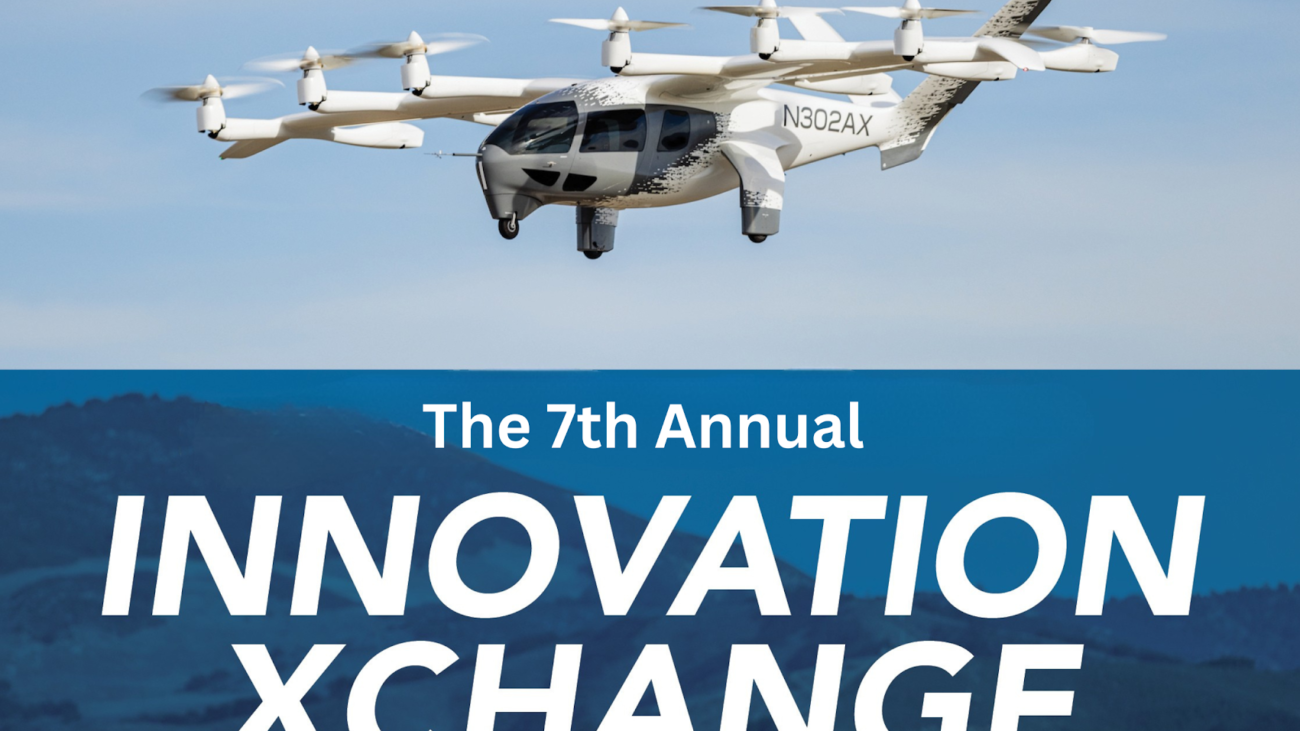
Georgia is quietly becoming one of the most active states in the advanced air mobility and UAS ecosystem — and AGS Xchange 2026 is where that community converges. From SkyDrive’s U.S. expansion to BVLOS healthcare access and Counter-UAS defense applications, this one-day event at Augusta Regional Airport covers the full spectrum of what’s next. Electric Air Mobility News was there — and will have many of the speakers on the podcast in the weeks ahead.
News Roundup: Volocopter, Horizon, and Ohio, Intelligently Tackling AAM
From Volocopter’s push into light sport eVTOLs to Horizon’s updated Cavorite X7 and Ohio’s bold eIPP medical transport proposal, advanced air mobility is shifting into practical service. These three stories reveal how regulators, designers, and states are turning new aircraft into real tools for healthcare and regional connectivity.
EPA Rollbacks: What Are The Potential Consequences on Advanced Air Mobility
While the US administration supports Advanced Air Mobility development, simultaneous EPA rollbacks eliminating greenhouse gas oversight could force vertiports to rely on fossil fuel-powered electricity, undermining AAM’s environmental promise and triggering public backlash.
FAA’s Reorganization: Dedicated Office & What It Means for AAM
In the largest organizational overhaul in FAA history, Transportation Secretary Sean P. Duffy and Administrator Bryan Bedford announced a comprehensive restructuring that creates a dedicated Office of Advanced Aviation Technologies for eVTOLs, drones, and supersonic aircraft. The January 27, 2026 announcement elevates advanced air mobility to top-level status alongside traditional aviation operations, signaling that electric vertical takeoff and landing aircraft are no longer experimental but core to America’s aviation future. With multiple eVTOL manufacturers approaching certification, the eIPP launching in 2026, and the 2028 LA Olympics showcasing urban air mobility, the timing is critical. This analysis explores what the reorganization means for AAM stakeholders, certification timelines, infrastructure development, safety oversight, and the path to commercial operations.
Advanced Air Mobility’s Innovation Paradox: Why Use Old Business Models
Everyone in Advanced Air Mobility knows the truth: we’re developing revolutionary electric aircraft using century-old business models. People leave traditional aviation frustrated, join AAM startups promising change, then fall right back into the same patterns. The technology works—electric aircraft are proven 2-3x more efficient than conventional aircraft. So why do we keep choosing outdated frameworks? Explore what really holds AAM back and what needs to change.
The Race to Urban Air Mobility: Unlocking the Skies
The race to advanced air mobility (AAM) is tightly linked to urban air mobility (UAM) and regional air mobility dominated by electric vertical take-off and landing (eVTOL) and electric short take-off and landing (eSTOL).