
There are more solutions than obstacles. Nicolas Zart
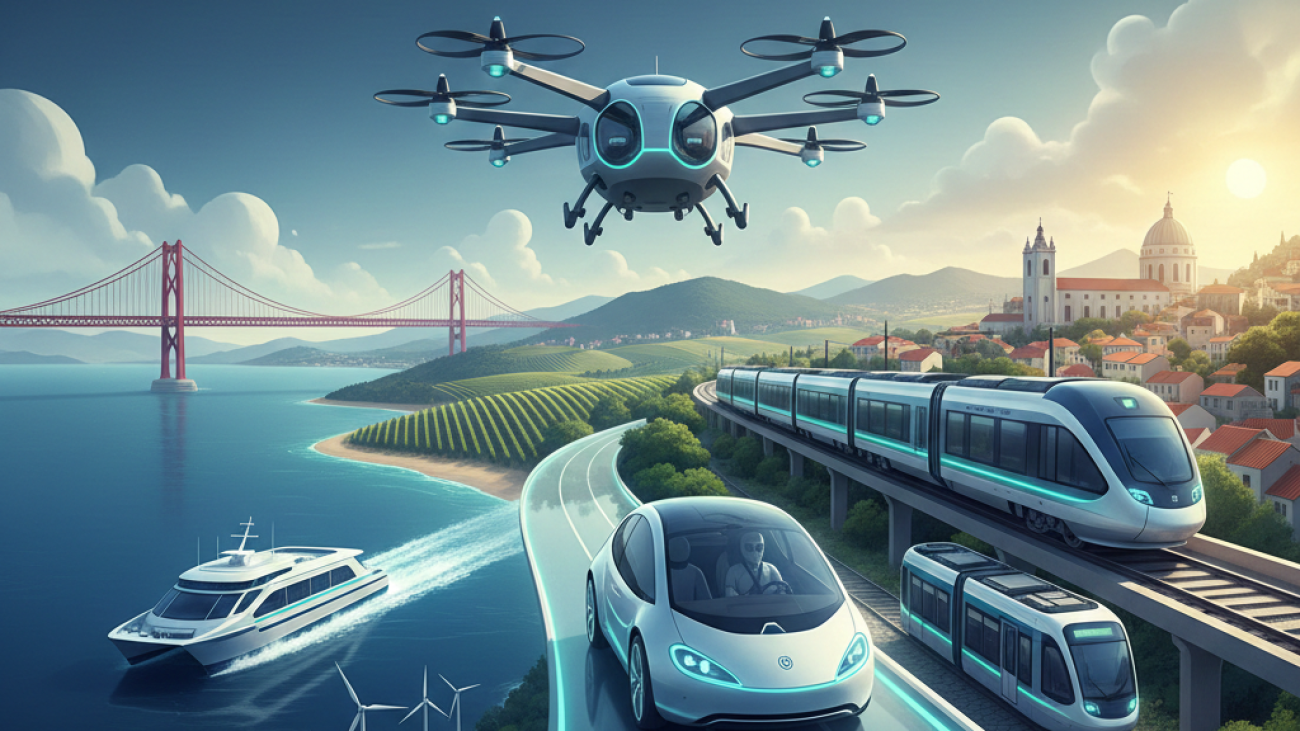
Portugal continues its innovative foray into innovative mobility solutions with an affordable clean mobility electric vehicle (EV), the BEN EV. This new Portuguese e-car designed and engineered in Matosinhos by CEiiA and managed by IAPMEI has a projected base price of around €8,000, roughly $9,400. Its European homologation already secured. BEN shows how a small, local electric vehicle (EV) can become a reality and not just hype.

Meet BEN: Portugal’s €8,000 city EV
According to The Portugal News, BEN is a compact urban e-car developed at CEiiA – Portugal’s Engineering and Development Center, and a company I’ve previously written about a decade or so ago, with a focus on short trips, city logistics, and shared mobility. The vehicle has received its EU type approval, meaning it can legally circulate on European roads and move toward large-scale production. Its target price is about €8,000 (~$9,500), positioning BEN far below today’s cheapest EVs on sale in Portugal. The closest competitor, the Dacia Spring, which typically starts around €17,000 before incentives.
The BEN platform uses a flexible interior, with up to three seats and 100–400 litres of cargo, making it attractive for last‑mile delivery, urban fleets, and shared services. Current plans aim for up to 20,000 units per year by 2030, built in a decentralised way in Portugal and other European locations. It sports a compact footprint and visually sits in the same micromobility family as the Citroën Ami or Fiat Topolino, vehicles which can be driven from age 16 in Portugal.
Digital-first, service-focused mobility
BEN is structured as a digital, service-based mobility product. A dedicated “Spirit” digital platform surrounds the vehicle and is designed to connect users, vehicles, and city infrastructure.
Key digital and service features include:
Access with a shareable digital key that fits car-sharing and corporate fleets.
Data analytics for fleet operators, enabling optimisation of routes, utilisation and charging.
The BEN concept is explicitly framed to be “used and traded as a service”, aligning with mobility-as-a-service models that are growing in European cities.
Connecting BEN to Portugal’s cork and EV ecosystem
BEN arrives at a moment when Portugal is building a broader, export‑ready, sustainable mobility ecosystem, where cork plays a surprising but important role.
- Portuguese company Amorim Cork Composites has developed cork-based thermal pads, spacers, and structural elements for EV battery packs, combining insulation, vibration damping, and impact protection.
Cork-based EV solutions, including products such as FiberCork for high‑voltage batteries, help reduce weight and environmental impact while improving fire resistance and thermal stability.
Cork is already used from NASA spacecraft to BMW electric vehicles, and is now being explored for future electric air mobility platforms as well.
On ElectricAirMobility.news, a recent feature, “The Ways We Move: Cork Revolution – 5,000‑Year Material Powers EVs, Space & AAM,” traces how this natural Portuguese material is moving from wine bottles into battery packs, cabin structures, and advanced aircraft components. (Insert your article link here.)
A Portuguese B2B point of view
From a Portuguese B2B perspective, BEN and cork-based EV technologies speak to the same strategic story: Portugal is not just adopting electric mobility; it is designing, engineering, and supplying it.
For manufacturers and operators, potential synergies include:
- Pairing locally developed vehicles like BEN with Portuguese‑made cork battery and interior components for quieter, safer, more sustainable city fleets.
Leveraging Portugal’s EV tax and incentive environment, where businesses can fully deduct VAT on EVs and benefit from updated vehicle tax brackets, to scale cost‑efficient fleets.
Extending these materials and mobility know‑how into electric air mobility platforms, where lightweight, thermally stable materials such as cork are already under evaluation.
To continue this conversation, readers can dive deeper into cork’s role in EVs and electric aviation in the ElectricAirMobility.news cork feature and companion podcast episode. (Insert your podcast link and a short call‑to‑action here.)
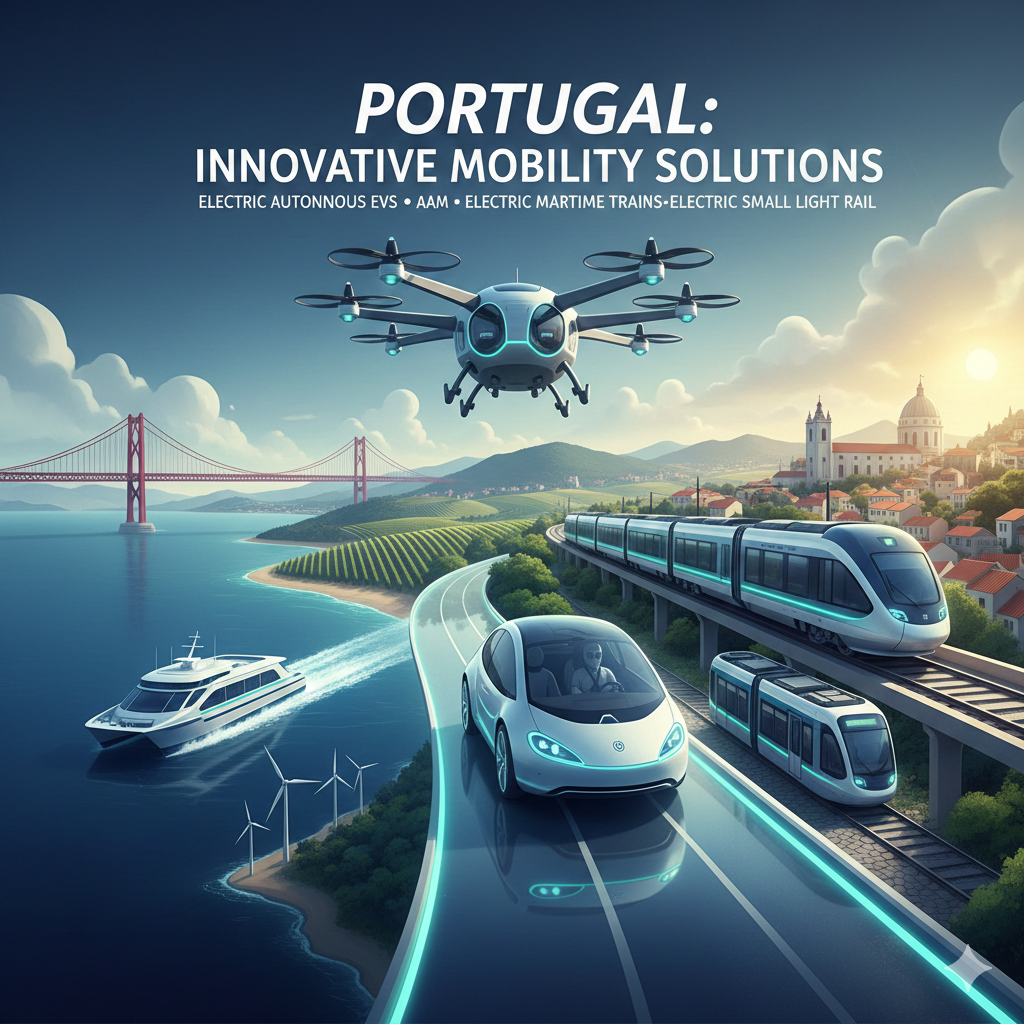
For partners, investors, and innovators looking at Portugal as a base for next‑generation mobility, BEN is a visible, road‑ready symbol of what the country can deliver: affordable EVs, advanced natural material,s and a growing ecosystem that connects roads, batteries, and future electric skies. For the past three years, local AAM stakeholders and Electric Air Mopbility, LLC have been actively campainging to use Portugal as an incubator and testingground for everything Advanced Air Mobility. We congratulate the country for its innovative mobility solutions growing strong.