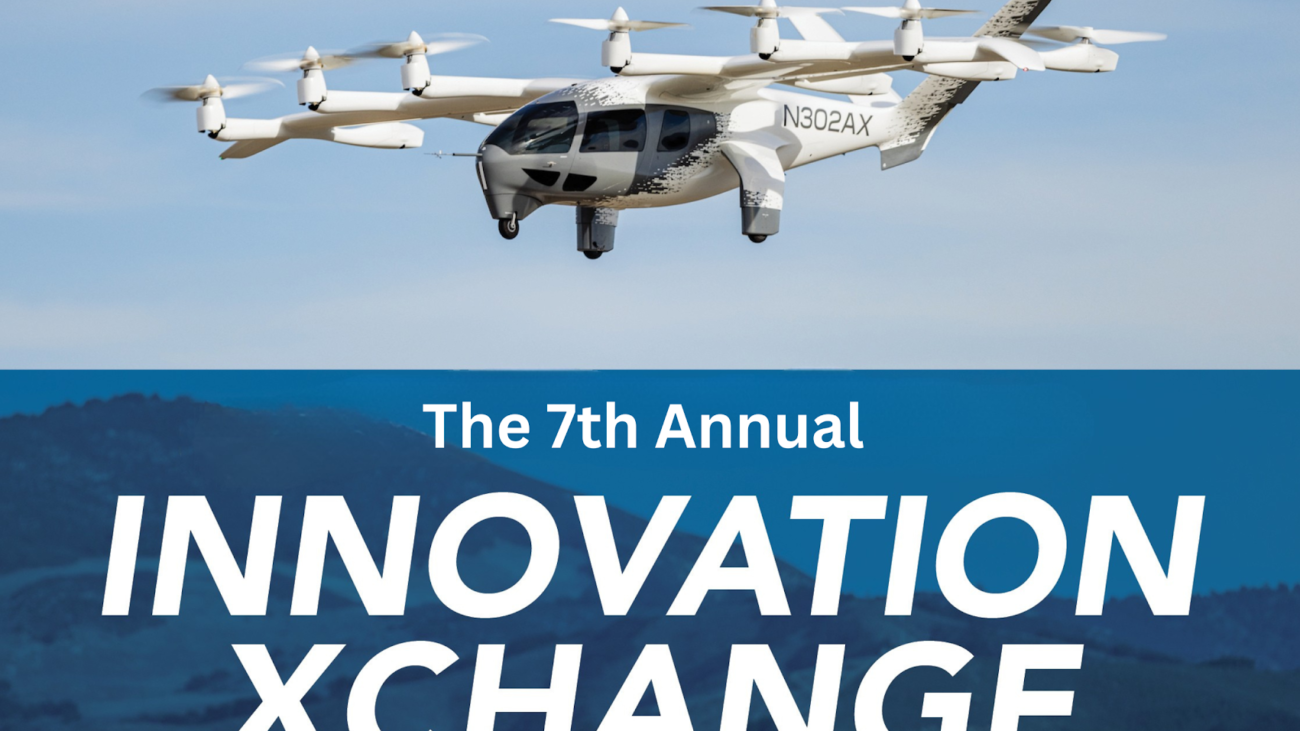
In the largest organizational overhaul in FAA history, Transportation Secretary Sean P. Duffy and Administrator Bryan Bedford announced a comprehensive restructuring that creates a dedicated Office of Advanced Aviation Technologies for eVTOLs, drones, and supersonic aircraft. The January 27, 2026 announcement elevates advanced air mobility to top-level status alongside traditional aviation operations, signaling that electric vertical takeoff and landing aircraft are no longer experimental but core to America’s aviation future. With multiple eVTOL manufacturers approaching certification, the eIPP launching in 2026, and the 2028 LA Olympics showcasing urban air mobility, the timing is critical. This analysis explores what the reorganization means for AAM stakeholders, certification timelines, infrastructure development, safety oversight, and the path to commercial operations.
FAA’s Part 108 BVLOS Rule: Low‑Altitude Aviation Needs More
The FAA’s Part 108 BVLOS proposal would finally move drones beyond the slow, waiver‑based system of Part 107, creating a framework for routine flights at scale. But aviation groups like NBAA, VAI, and EAA argue that unclear right‑of‑way rules, heavy paperwork, and weak detect‑and‑avoid requirements could shift risk onto helicopters, GA, and future AAM operations that already rely on the same low‑altitude airspace.