

There are more solutions than obstacles. Nicolas Zart
Electric air mobility promises not only to transform how we move people through the skies but also goods. The US Postal Service (USPS) is imagine mail zipping from New York to Detroit on quiet, zero-emission electric planes for its parcels and mail opting for advanced air mobility (AAM).
The US Postal Service (USPS) Electrified Flight
USPS is testing just that, building on its fleet of over 2,600 electric delivery trucks already rolling out nationwide. This step into electric airplanes fits a bigger push in aviation. Companies like BETA Technologies and Electra.aero lead with hybrid-electric tech that cuts noise and fuel use. For aviation, this game-changing logistics will influence the future of our regional flights.

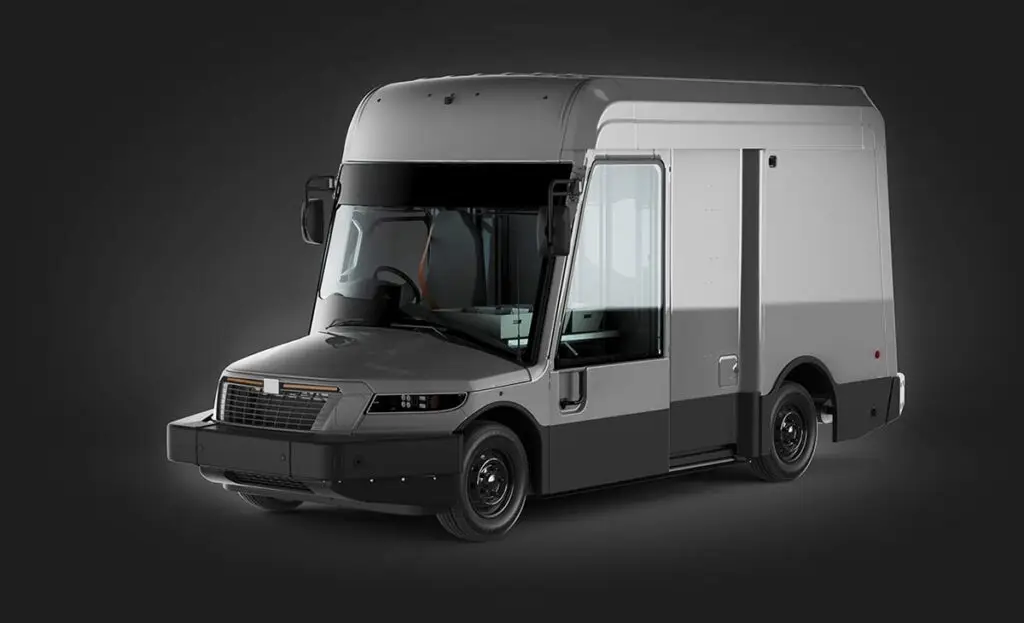
Despite what most people might think, USPS has a long history with electric vehicles. Back in 1899, they tested an electric cart in Buffalo, New York. Fast-forward to today: Oshkosh Defense buildstands out in electric air mobility. Theirs the Next Generation Delivery Vehicle (NGDV), with 75% electric models. By late 2025, over 2,500 NGDVs hit the roads, tested in places like Flint, Michigan, near Detroit.
Now, electric air mobility extends this to skies. While no exact USPS-New York-Detroit airplane test is confirmed yet, drone trials like Aerialoop‘s 2-mile delivery in Detroit signal the path. These routes could slash delivery times, using short fields unfit for big jets.
BETA Technologies’ ALIA aircraft flies long ranges on batteries alone, so far with over 1,000 autonomous hours logged. It is the only urban air mobility AAM company in operation today with two private operators. And now, partnering with GE Aerospace, BETA is working hybrid-electric turbogenerators to extend the range of its vertical take-off and landing (VTOL) planes, boosting not only range but speed. Eve Air Mobility recently picked BETA for pusher motors, proving their tech’s reliability. BETA’s work aligns perfectly with USPS goals for efficient, green cargo hauls.

Electra.aero pushes boundaries with the EL9 Ultra Short hybrid-electric plane. It lands in just 150 feet using blown-lift wings powered by electric engines from Evolito. Over 2,200 pre-orders show demand from airlines and operators. CEO Marc Allen calls it “Direct Aviation,” linking underserved spots with low noise and emissions. Electra expands facilities in Virginia and Switzerland to speed production, eyeing 2027 tests and 2029 service. See our interview of Marc Ausman here on The Ways We Move and on YouTube.

Surf Air electrifies Cessna Caravans for regional routes, unlocking trips under 500 miles. Urban Aeronautics’ CityHawk eVTOL uses hydrogen for urban cargo. FAA Part 23 rules pave certification paths. Challenges remain: battery range and charging infrastructure.
For aviation, AAM opens new opportunities. Logistics firms gain quieter flights, fitting dense corridors like New York-Detroit. USPS stands to cut down on cost for short electric short take-off and landing (eSTOL) and electric conventional take-off and landing eCTOL flights as well as open shorter routes not financially feasible with conventional airplanes.
Electric planes emit less than jets, cuts carbon, pairing with USPS ground EVs for end-to-end green chains means reducing carbon footprint and eventually saving money. By 2030, expect routine electric mail flights.