

There are more solutions than obstacles. Nicolas Zart
Florida Is Building AAM Infrastructure. So Why Most States Aren’t?
The U.S. Advanced Air Mobility (AAM) market has a capital allocation problem, and it isn’t the one practically no coverage focuses on.
Investors have poured billions into eVTOL manufacturers — the aircraft, the batteries, the certification program roadmaps, the production scale-up plans, and more. That capital is visible, trackable, and generates press. The infrastructure those aircraft require to generate revenue has attracted a fraction of equivalent attention and a fraction of equivalent funding. The result is a dependency chain with one heavily capitalized link and several that remain structurally underfunded.

Florida Understand Infrastructure
Florida has done more than any other U.S. state to address that AAM infrastructure imbalance. In 2023, the state enacted legislation authorizing 100% state funding for vertiport construction costs — the most progressive state-level AAM infrastructure framework in the country to this day. The legislation went beyond permitting reform or study commissions. It also authorized public capital for physical infrastructure, treating vertiports as transportation assets rather than aviation curiosities. That is the distinction with other states. States that classify AAM infrastructure as aviation infrastructure route it through aviation agency timelines and aviation budget constraints. Florida structured it as mobility infrastructure, which opened different funding channels and different decision-making authority. And this also means that Florida is slightly ahead of the AAM adoption curve simply by tasking into consideration the glue that bonds it al together, infrastructure.
The AAM commercial model depends on a robust and mature infrastructure density. A single vertiport serves point A to point A flights. While this is good for tourism, it hardly makes a business case for millions of dollars investments. A multiport network serves a market. It connects mobility dots not currently served. The difference between a demonstration project and a commercial operation is not the aircraft — it is whether there are enough physical nodes, spaced closely enough, to make route economics work. And it all relies on infrastructure, where they take off and land, where travelers come in and leave closer to their destination. Operators understand the network will be there before they commit to fleet deployment. For this to happen, infrastructure needs to be in place, credibly committed, well-funded before operators build their business models around it.
Putting The Ox in Front of the Cart
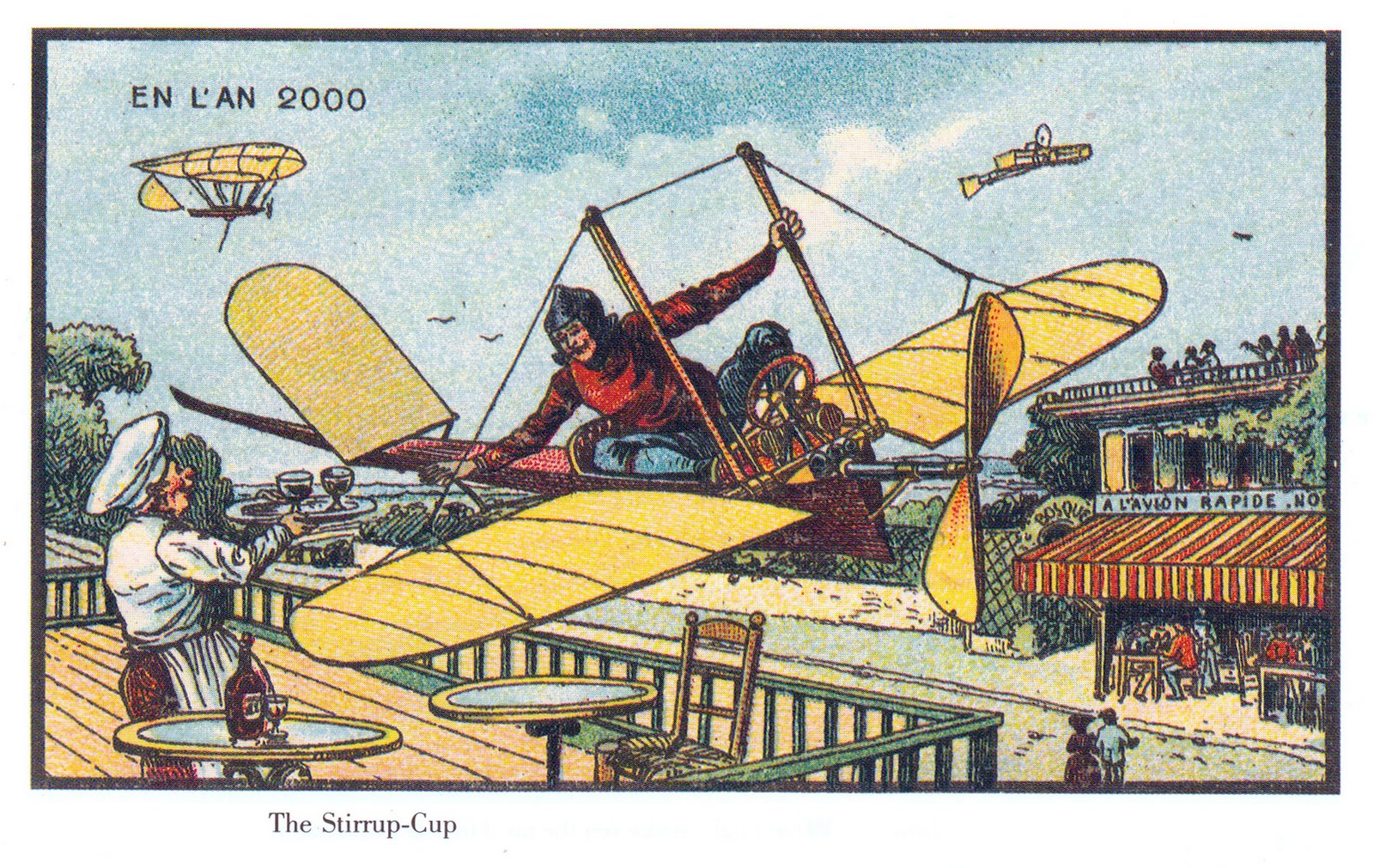
Florida’s willingness to fund that infrastructure ahead of proven revenue is the same bet that made interstate highway investment logical before the full traffic volume materialized. You build the road. Carmakers sell cars. The traffic follows. The same can be said of any transportation and mobility industry segments. Naturally, states that wait for traffic before building the road will have a hard time getting funded and seeing traffic grow.
The investor community has not caught up yet to this dynamic. 2026 will highlight that important fact as we brace for industry readjustments. Capital continues to concentrate in the vehicle layer — the eVTOL manufacturers with sovereign backing, DoD contracts, and public market visibility. The infrastructure layer, where the AAM commercial ecosystem remains dramatically underfunded relative to its role in the value chain.
Twenty-four vertiports broke ground globally in 2024 against a planned pipeline of 1,504. That gap is not a construction delay. It is a structural failure of the capital allocation framework the industry is operating under. Most infrastructure companies are unwilling to invest in a potential future ecosystem despite vehicle makers being invested in. This will create a serious bottleneck. However, Florida’s model — state-funded, mobility-framed, committed ahead of revenue — is one of the only U.S. examples of public capital being deployed to close it.
Other states will eventually follow. The ones that move first will have operational networks, proven route economics, and established operator relationships when the aircraft arrive at commercial scale. The ones that wait will have studies, frameworks, and a competitive disadvantage that will take years to close. No one loses, but time.
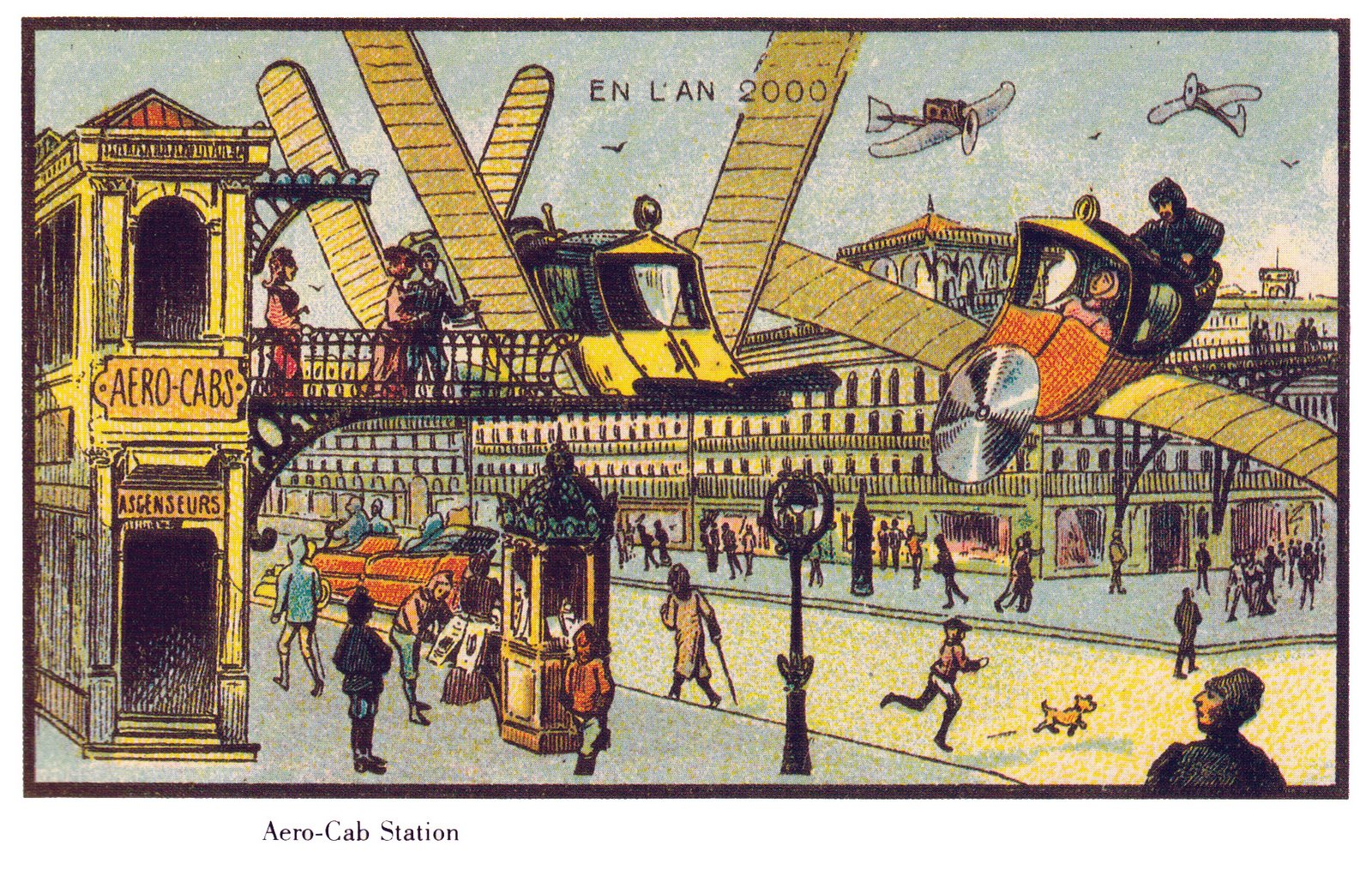
For capital allocators looking at AAM infrastructure specifically: the deals being done now in distressed infrastructure — below invested capital, by acquirers who understand what those assets are worth when the certification gap closes — remain the most asymmetric opportunity in the sector. Florida’s legislative framework makes it the most favorable U.S. jurisdiction for those acquisitions. That will not be true indefinitely.