

There are more solutions than obstacles. Nicolas Zart
From Wine Bottles to Spacecraft: Cork’s Quiet Revolution in Sustainable Mobility
In this episode of The Ways We Move podcast, host Nicolas Zart explores an unexpected hero in the sustainable mobility revolution: cork. This 5,000-year-old material, traditionally associated with wine bottles and bulletin boards, is quietly reshaping how we design everything from electric vehicles to spacecraft and could soon play a crucial role in advanced air mobility.
Cork’s Ancient Legacy Meets Modern Engineering
Cork’s use dates back millennia, but its unique cellular structure, consisting of millions of gas-filled cells that make it lightweight, elastic, and naturally insulating, positions it as an ideal material for 21st-century mobility challenges. Unlike synthetic alternatives, cork is renewable, biodegradable, and carbon-negative when sustainably harvested from cork oak forests in Mediterranean regions.
What makes cork particularly remarkable for modern applications is its combination of properties rarely found together: it’s simultaneously lightweight, fire-resistant, sound-dampening, shock-absorbing, and thermally insulating. These characteristics have caught the attention of engineers working across multiple mobility sectors, from automotive to aerospace.
Space-Grade Cork: From Re-Entry Shields to Lunar Habitats
Perhaps cork’s most demanding application comes from space agencies. NASA and the European Space Agency (ESA) use cork composites as ablative heat shields for spacecraft re-entry, where temperatures can exceed 1,650°C (3,000°F). Cork’s cellular structure allows it to char and ablate in a controlled manner, dissipating heat while protecting the vehicle’s underlying structure. It is also used to shield antennae from electric magnetic interference (EMI). Its space use goes back to the 1960s with cork-phenolic on the heat shields of early U.S. manned spacecraft, such as Mercury, Gemini, and even on some parts of Apollo, particularly for localized thermal protection.
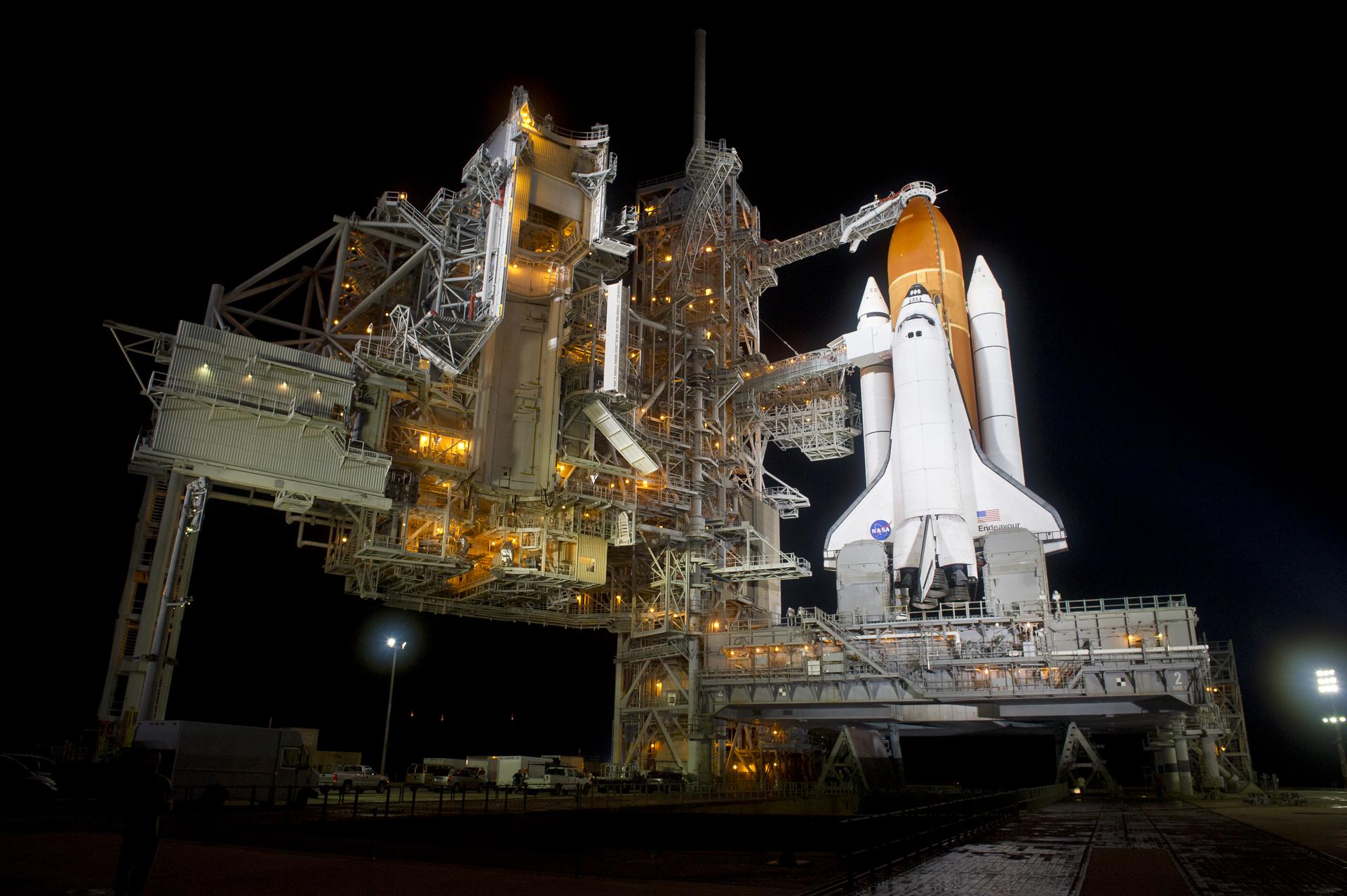
The implications extend beyond Earth’s atmosphere. NASA is currently evaluating cork-based materials for lunar base construction, where the material’s insulating properties, radiation shielding capabilities, and lightweight nature make it attractive for habitats that must withstand extreme temperature swings and cosmic radiation. Cork’s natural resistance to degradation in vacuum environments further enhances its appeal for long-duration space missions.
This space-grade validation demonstrates cork’s performance under the most extreme conditions imaginable, a compelling proof point for terrestrial mobility applications where requirements, while challenging, are considerably less severe.
Cork’s Role in the Electric Vehicle Revolution
Automakers including BMW, Tesla, and other leading manufacturers have quietly integrated cork into their electric vehicle designs. The material addresses several key challenges in EV engineering:
Lightweighting: Every kilogram removed from an EV extends range and improves efficiency. Cork composites offer weight savings compared to traditional acoustic treatments and interior components while maintaining structural performance.

Sound Management: Electric vehicles lack the masking effect of internal combustion engine noise, making wind, tire, and motor sounds more prominent. Cork’s natural sound-dampening properties help create the quiet cabin experience consumers expect from premium EVs without adding significant weight.
Sustainability Credentials: As automakers pursue carbon-neutral manufacturing goals, cork’s carbon-negative lifecycle, cork oak forests sequester more CO₂ when regularly harvested, aligns with environmental commitments. The material outperforms aluminum and plastic in lifecycle assessments while offering comparable performance in many applications.
Thermal Management: Cork’s insulating properties help manage battery temperatures and cabin climate control, reducing energy consumption for heating and cooling systems, a critical consideration for EV range optimization.
The Ultimate Sustainable Material: Carbon-Negative and Renewable
Cork’s environmental credentials extend beyond simple renewability. Cork oak forests in Portugal, Spain, and Mediterranean regions are actually enhanced by sustainable harvesting practices. Trees are not cut down; instead, bark is carefully removed every nine years, allowing the tree to regenerate new cork while continuing to grow for up to 200 years.
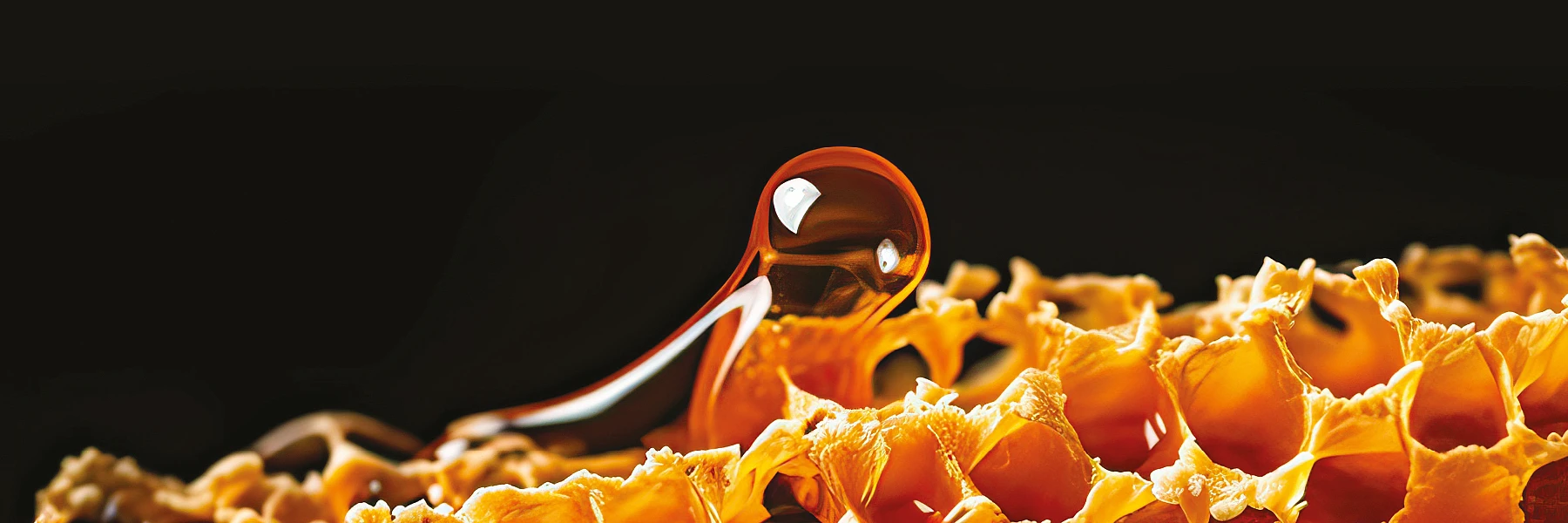
This harvesting process triggers increased CO₂ absorption as the tree regrows its bark. Studies indicate that harvested cork oaks sequester three to five times more carbon than unharvested trees. Additionally, cork oak forests support rich biodiversity, providing habitat for endangered species including the Iberian lynx and Bonelli’s eagle.
The material’s end-of-life profile is equally impressive. Cork is fully biodegradable, returning nutrients to soil without environmental harm. It can also be ground and reused in composite applications, creating a circular economy where waste becomes feedstock for new products.
Beyond Automotive: Cork in Rail, Maritime, and Multi-Modal Systems
Cork’s applications extend across the mobility ecosystem:
Rail Transport: High-speed rail systems use cork underlayment for vibration damping and noise reduction, protecting both infrastructure and surrounding communities from rail-generated disturbances.
Maritime: Sustainable yacht builders and electric boat manufacturers are incorporating cork decking, insulation, and interior surfaces, reducing weight while improving comfort and environmental performance.
Micromobility: E-bike and scooter manufacturers are experimenting with cork grips, padding, and structural components that combine durability with sustainability.
Infrastructure: Cork-based expansion joints in bridges and roadways accommodate thermal expansion while reducing maintenance requirements compared to traditional materials.
This cross-sector adoption demonstrates cork’s versatility and signals growing recognition of natural materials’ potential to address sustainability challenges across integrated mobility networks.
The Next Frontier: Cork in Advanced Air Mobility
Looking ahead, cork’s unique properties position it as a compelling candidate for advanced air mobility applications, particularly electric vertical takeoff and landing (eVTOL) aircraft:

Weight-Critical Applications: In aviation, where every gram counts, cork composites offer favorable strength-to-weight ratios for interior panels, acoustic treatments, and non-structural components.
Vibration Damping: eVTOL designs with multiple rotors generate complex vibration patterns. Cork’s natural damping characteristics could improve passenger comfort and reduce structural fatigue.
Fire Safety: Aviation-grade cork composites meet stringent flammability requirements while providing additional thermal protection, critical safety features for passenger aircraft.
Sustainability Messaging: As AAM operators seek to differentiate their services through environmental credentials, cork’s carbon-negative profile and natural aesthetics support premium positioning while delivering functional performance.
Scalability: Unlike exotic composites requiring energy-intensive manufacturing, cork processing is relatively straightforward, supporting cost-competitive production as the AAM industry scales.
Several eVTOL developers are reportedly exploring cork applications for cabin interiors, though specific implementations remain confidential during competitive development phases. As prototypes advance toward certification and commercial service, expect more public disclosure of cork integration strategies.
Challenges and Opportunities
Cork adoption faces several challenges that must be addressed for widespread mobility sector integration:
Supply Chain: Cork production is geographically concentrated in Mediterranean regions, creating potential supply constraints as demand increases. Investment in cork oak plantations in suitable climates could diversify sourcing, though trees require decades to reach productive maturity.
Engineering Standards: Aerospace and automotive engineers need more extensive testing data and standardized specifications for cork composites in mobility applications. Industry consortia and standards bodies are beginning to address this gap, but progress requires sustained collaboration.
Cost Competitiveness: While cork prices have moderated in recent years, the material can be more expensive than commodity plastics or metals in some applications. Lifecycle cost analysis that includes environmental benefits often favors cork, but procurement decisions frequently prioritize initial material costs.
Performance Consistency: Natural materials exhibit greater variability than engineered synthetics. Advanced quality control and composite formulation techniques are improving consistency, but some applications require additional process development.
Despite these challenges, the trajectory is clear: cork is transitioning from niche applications to mainstream mobility material as performance validation accumulates and sustainability considerations gain weight in design decisions.
A Material Whose Time Has Come
Cork represents a compelling example of how ancient materials, when viewed through the lens of modern engineering needs, can offer solutions superior to newly developed alternatives. Its combination of performance, sustainability, and scalability positions it as a key material in the transition to cleaner, quieter, more efficient mobility systems.
As the mobility sector continues evolving toward electrification, automation, and integration across modes, materials selection will play an increasingly important role in achieving environmental goals without compromising safety or user experience. Cork’s 5,000-year history suggests it has the resilience to remain relevant for centuries to come, this time not just as a wine bottle closure, but as a fundamental building block of sustainable transportation.
The shift Nicolas Zart describes in The Ways We Move is not merely about substituting one material for another. It reflects a broader recognition that sustainability in mobility requires looking beyond incremental improvements to existing approaches. Sometimes the most innovative solution is one that has been quietly available for millennia, waiting for engineers to recognize its potential.
By engaging with materials like cork, mobility designers can position their vehicles and systems not just as technological achievements but as examples of how human ingenuity can work in harmony with natural systems. In an era where transportation accounts for a significant portion of global emissions, every material choice matters, and cork demonstrates that sustainable options need not compromise on performance.
Listen and watch the Full Episode
🎙️ The Ways We Move Podcast – Cork: The 5,000-Year-Old Up and Coming Hero of Innovative Mobility
Dive deeper into cork’s mobility applications with Nicolas Zart’s comprehensive exploration:
Chapter Timestamps:
- 00:00 – Cork’s Ancient Legacy Meets Modern Mobility
- 02:49 – NASA, ESA, and the Space-Grade Cork Revolution
- 05:34 – How BMW and Tesla Are Using Cork Today
- 10:57 – Why Cork is the Ultimate Sustainable Material
- 14:41 – What’s Next? Cork in eVTOLs and Lunar Bases
Listen and Subscribe:
🔊 Buzzsprout: Listen Here
▶️ YouTube: @TheWaysWeMove
🎧 Spotify: The Ways We Move
🍎 Apple Podcasts: Subscribe
🎙️ Amazon Music: Listen
📻 iHeartRadio: Stream
📢 Support the show: Become a supporter
About The Ways We Move: The Ways We Move is a podcast that explores innovative mobility solutions shaping our future and the people behind them. Hosted by Nicolas Zart, each episode examines how emerging technologies, sustainable materials, and integrated systems are transforming how people and goods move across air, land, and sea.