

There are more solutions than obstacles. Nicolas Zart
We’ve all dreamed of Hawaii as the ideal place to show the future business model of advanced air mobility (AAM). And today, Hawaii took a strong step forward with the federal eVTOL Integration Pilot Program with a three way partnership that combines existing airline operations, electric aircraft technology, and state transportation infrastructure.
Surf Air Mobility, the Hawaii Department of Transportation, and BETA Technologies submitted their joint application on January 27 for the Electric Vertical Takeoff and Landing Integration Pilot Program, a federal initiative supporting the White House’s Advanced Air Mobility national strategy.
The partnership brings together Surf Air Mobility’s subsidiary Mokulele Airlines, Hawaii’s largest commuter carrier by scheduled departures, with BETA’s ALIA electric aircraft and the state transportation department’s infrastructure and regulatory support.

Existing Operations Foundation
Unlike electric vertical take-off and landing (eVTOL) aircraft deployment scenarios, using its wing-only electric conventional take-off and landing (eCTOL) version of its Alia 250 will rely on an existing operational infrastructure. Mokulele Airlines already provides high frequency interisland service across 10 routes and nine destinations in Hawaii, flying approximately 100 flights daily.
The airline flew approximately 36,000 flights in 2025, with an average flight length of 51 miles. This distance makes it a perfect fit for first generation electric aircraft. Mokulele operates the largest airline network in Hawaii by airports served and maintains the most scheduled departures among commuter airlines in the state.
Coupled this to Surf Air Mobility that has established airport operations, maintenance facilities, and crew based across Hawaii, and you can see the foundational infrastructure on the islands. Electric aircraft can integrate into existing commercial airline service instead of building operations from scratch.
BETA’s ALIA Aircraft
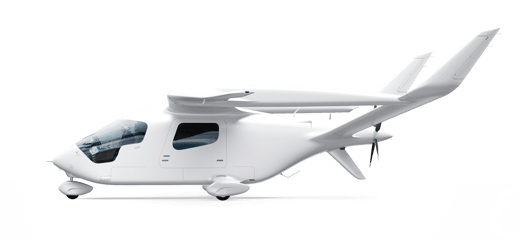
BETA Technologies’ ALIA electric aircraft is designed specifically for short haul routes like those Mokulele flies daily. The aircraft uses conventional takeoff and landing configuration rather than vertical takeoff, making it well suited for existing airport infrastructure.
BETA expects FAA certification of the ALIA 250 in 2026, positioning the aircraft for commercial operations aligned with the eIPP timeline. The company has already demonstrated utility in cargo and emergency medical services applications.
The partnership plans to initially conduct cargo carrying missions between Mokulele’s existing route pairs, proving operational viability before transitioning to passenger service.
Why Hawaii Makes Sense
As we mentioned above, Hawaii is an ideal eIPP candidate. Short interisland routes averaging 51 miles match electric aircraft range capabilities today. High frequency service, approximately 100 daily flights across the network, creates multiple opportunities to demonstrate operational integration and reliability.
The island geography’s natural boundaries and contained airspace makes it a testing ground serving real transportation needs. Not the least, Hawaii’s renewable energy goals can help electric aviation’s sustainability promise of cleaner, safer, and quieter flights. This can only help the state’s tourism economy that highly values such things.

Technology Integration
Surf Air Mobility’s platform will optimize scheduling, maintenance, and operational efficiency for electric aircraft integration. BETA Technologies provides the aircraft technology, and the Hawaii Department of Transportation will offer regulatory support, infrastructure planning, and alignment with state transportation and sustainability goals.
Director Ed Sniffen noted that the eIPP initiative would provide an opportunity for Hawaii to be at the forefront of advanced aviation mobility technology while supporting the department’s long term efforts to develop efficient, affordable, and renewable alternative forms of interisland transportation.
eIPP Selection Process
The FAA’s eVTOL Integration Pilot Program, expected to become operational in 2026, will allow state and local governments to partner with private sector AAM companies to run flight testing programs. The initiative aims to gather data informing FAA development of eVTOL regulations. See our The Ways We Move interview with Don Berchoff of TruWeather for more on that.
Applications were due in December 2025, with the first five projects expected to be selected based on several criteria. States with favorable regulations for eVTOLs and vertiports, established AAM roadmaps and state contract programs, existing AAM committees and infrastructure, partnerships between airlines and eVTOL companies on specific routes, and experience from the BEYOND drone program all strengthen applications.
Hawaii’s existing airline operations ready to integrate electric aircraft, partnerships with both an aircraft manufacturer and established carrier, real transportation needs that electric aircraft can address, and alignment with state sustainability and transportation goals were a given. The Secretary of Transportation may expand the eIPP to include other advanced aviation aircraft such as eSTOL, eCTOL, and hybrid hydrogen aircraft, potentially broadening the program’s scope beyond initial eVTOL focus.
Industry Perspectives
Deanna White, CEO of Surf Air Mobility, emphasized the company’s operational understanding. As Hawaii’s largest commuter airline flying approximately 100 flights daily, the company understands the routes and operational realities, she said. The infrastructure is perfectly suited to introduce next generation aircraft, and participating in the eIPP initiative with BETA would support Hawaii’s leadership in advanced air mobility while delivering quieter, lower emission transportation for communities and visitors.
Kristen Costello, Head of Government and Regulatory Affairs at BETA Technologies, noted that Hawaii is exactly the kind of operating environment electric aviation was built to serve. Short, high frequency routes, strong community connectivity, and a real need for reliable, affordable interisland service make this a natural early market for electrification, she said. Working with Surf Air Mobility and HDOT through the eIPP allows the partnership to demonstrate how electric aircraft can improve access, lower operating costs, and integrate safely into existing airline operations while delivering real benefits to communities from day one.
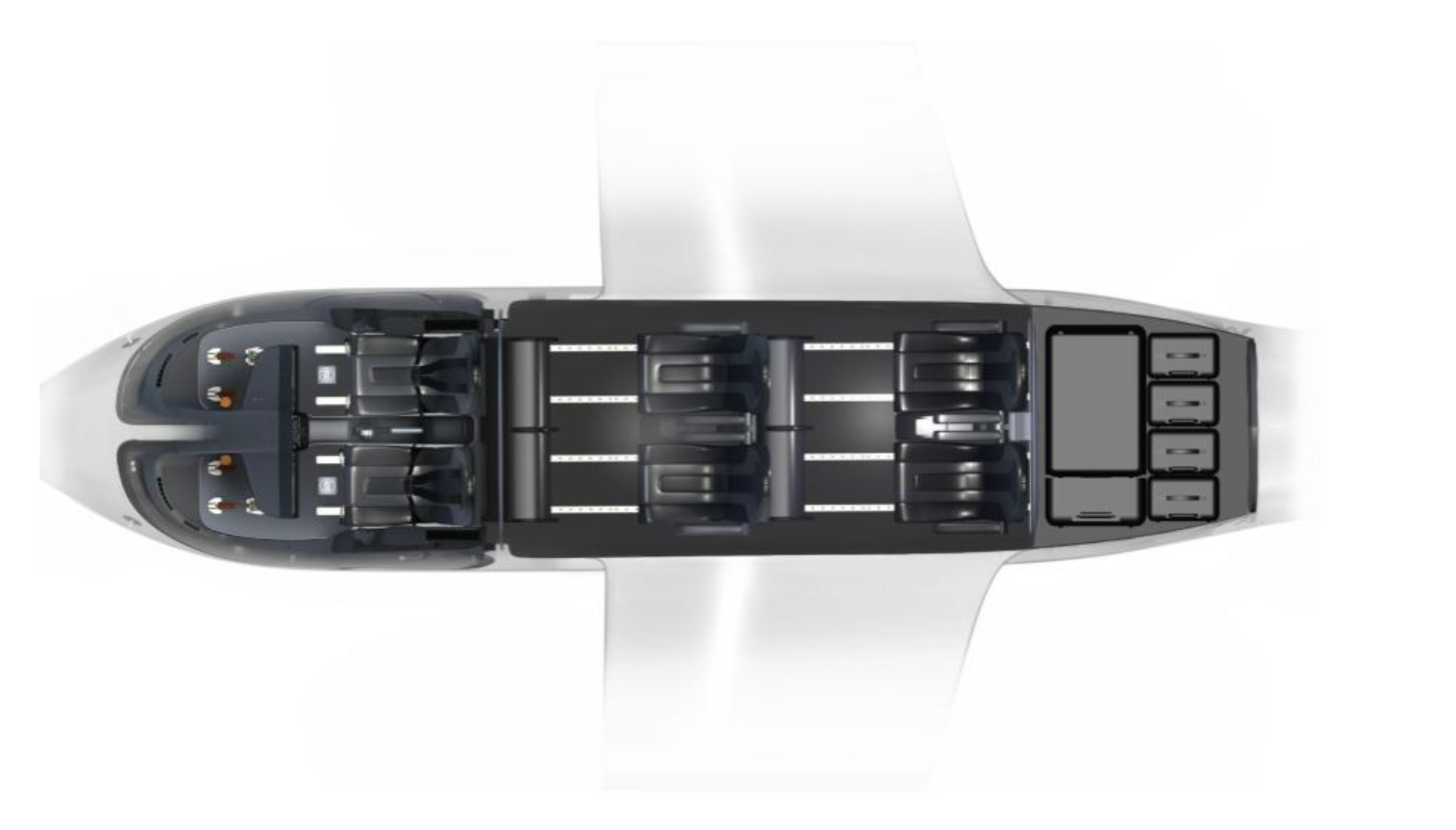
Infrastructure Development
If selected, the eIPP initiative would support additional infrastructure development, operational readiness, and early deployment of electric aircraft in Hawaii. This could include charging infrastructure at key airports, maintenance facility modifications, crew training programs, and regulatory framework development for electric aircraft operations.
The partnership’s cargo focused initial approach reduces some complexity compared to immediate passenger operations. Cargo flights allow the partnership to demonstrate reliability, optimize charging and turnaround procedures, train maintenance crews on electric aircraft systems, and prove economic viability before transitioning to passenger service.

Competitive Landscape
Hawaii competes with the Choctaw Nation of Oklahoma, which participated in earlier UAS integration programs, recently opened the Choctaw Nation Emerging Aviation Technology Center, positioning itself as a strong contender. We will other competitive applications from states with established AAM committees, vertiport infrastructure planning, and partnerships between local authorities and eVTOL manufacturers. Florida, Texas, California, and North Carolina have all made significant investments in AAM development. That’s why it’s so important to prepare now for AM’;s introduction, a short few years from today.

Timeline and Next Steps
With applications submitted in late 2025, the FAA is expected to announce the first five eIPP selections in early to mid 2026. Selected sites would then begin detailed planning, infrastructure development, and operational preparation for flight testing programs.
BETA’s projected 2026 certification timeline for the ALIA aircraft aligns with the eIPP deployment schedule, potentially allowing Hawaii to begin cargo operations relatively quickly if selected. Passenger operations would likely follow after demonstrating cargo service reliability and completing additional regulatory approvals.
The partnership’s approach, building on existing operations rather than starting from zero, could accelerate the timeline from selection to operational flights compared to applications requiring significant new infrastructure and operational development.
Implications for AAM
Hawaii’s eIPP application represents an important test case for electric aviation integration. Its success will demonstrate that near term electric aircraft address real transportation needs within current regulatory and infrastructure frameworks. With few modifications for charging and maintenance, this will gap aircraft capabilities and electric aircraft operational requirements.
The tried and true cargo first approach provides a practical path to prove technology and operations before passenger service, reducing risk while building operational experience and regulatory confidence. For BETA Technologies, which already has two private operators testing its ALIA 250, Hawaii provides an opportunity to further demonstrate its commercial operations.
For Hawaii, electric interisland transportation aligns with renewable energy goals while potentially reducing operating costs and environmental impact of essential connectivity between islands.
The eIPP selection announcement in 2026 will reveal whether the FAA views Hawaii’s operational readiness approach as more compelling than applications emphasizing future urban air mobility infrastructure development.
Electric Air Mobility’s extensive and wide network of aviation and AAM professionals was created to help municipalities, cities, states, and stakeholders prepare for the future of aviation. Contact us is you have any questions.
For comprehensive coverage of the eVTOL Integration Pilot Program, electric aircraft certification progress, and regional aviation electrification, visit ElectricAirMobility.news.