FlyNow Aviation, co-founded by Yvonne Winter, is transforming urban air mobility with its modular, cost-effective eCopter and a business model focused on making 3D mobility as affordable as a taxi ride. With a pragmatic approach to automation and a focus on real-world impact, FlyNow is poised to bring electric vertical flight to cities worldwide.
There are more solutions than obstacles. Nicolas Zart
As advanced air mobility (AAM) continues to connect cities, airports, and communities with electric and autonomous aircraft, the issue of cybersecurity takes center stage. In a recent episode of The Ways We Move podcast, I sat down with AJ Khan, CEO of Vehiqilla, to explore the critical challenges and solutions for securing every link in the mobility chain, from the individual user to the aircraft, airport, and beyond.
Why Cybersecurity Matters More Than Ever
The aviation industry is in the midst of a digital transformation. From cloud-based flight planning to real-time passenger services and predictive maintenance, nearly every aspect of modern aviation now depends on interconnected digital systems. This connectivity brings efficiency and innovation, but also exposes new vulnerabilities. In 2025, cyberattacks on airlines and airports are at an all-time high, with incidents ranging from ransomware and data breaches to denial-of-service attacks that can disrupt operations and compromise safety.
AAM magnifies these risks. Unlike traditional aviation, AAM ecosystems are deeply integrated, blending cloud software, autonomy algorithms, aircraft hardware, and ground infrastructure. Every node—from user devices and mobile apps to vertiports and third-party service providers—represents a potential entry point for cyber threats.
The Expanding Attack Surface
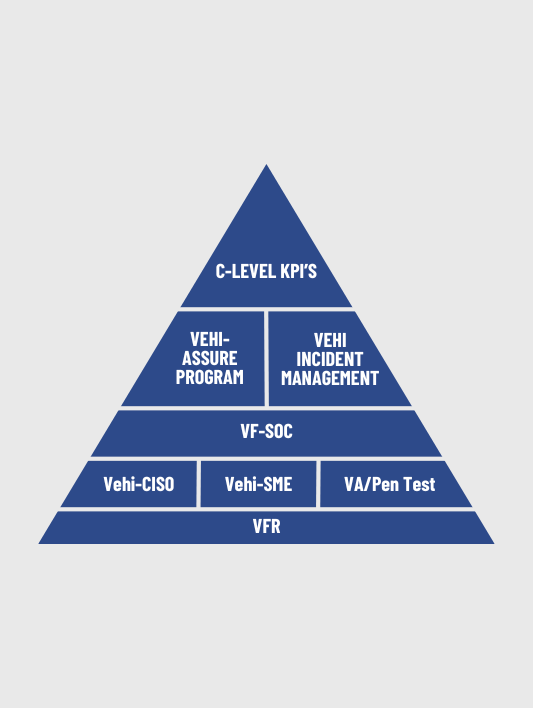
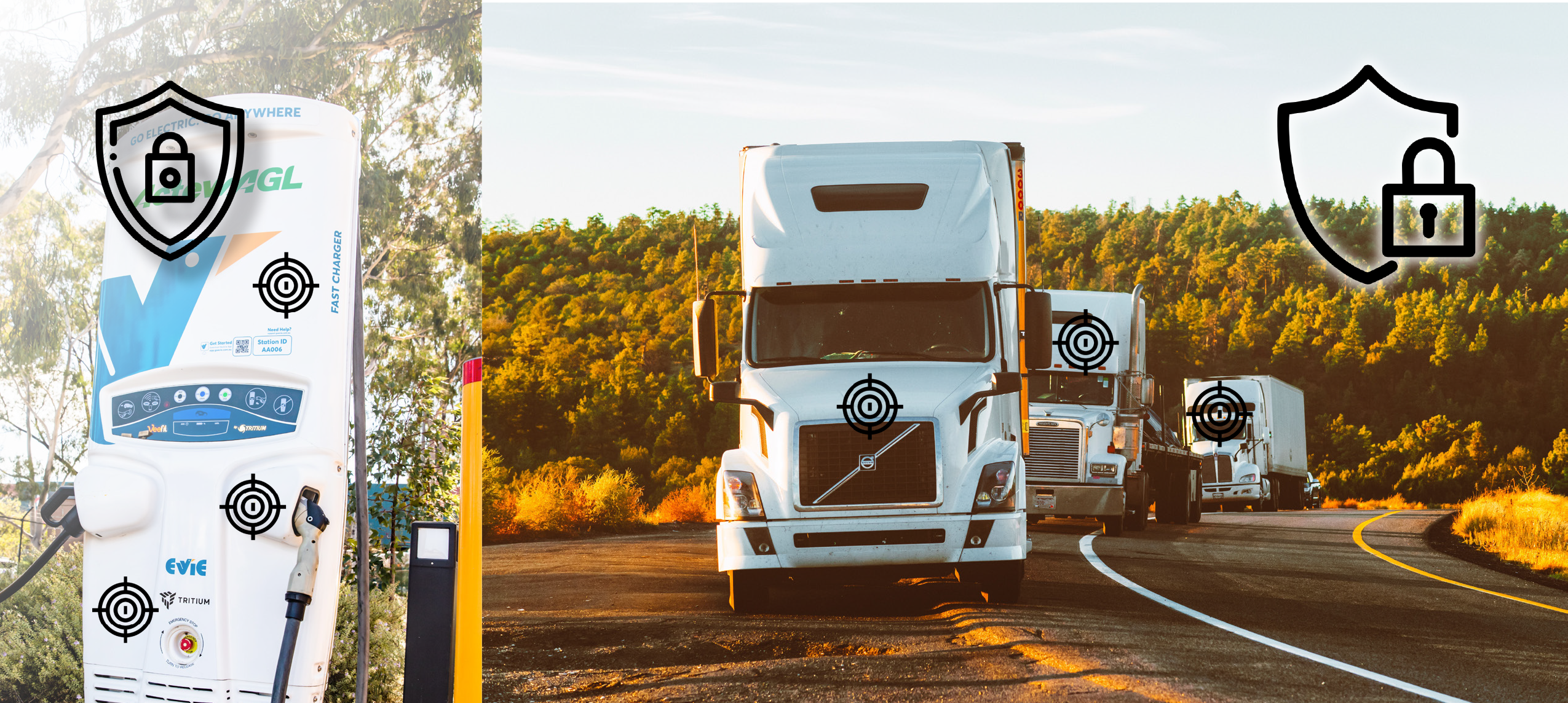
AJ Khan emphasized that cybersecurity in AAM is not just about protecting the aircraft. “We have to secure the entire journey,” he explained. This means considering:
User Devices: Mobile apps for booking and boarding are targets for data theft and fraud.
Connected Vehicles: eVTOLs, eSTOLs, and eCTOLs rely on software updates, remote commands, and real-time data—all of which can be compromised if not properly secured.
Airports and Vertiports: As critical infrastructure, airports are increasingly targeted by hackers seeking to disrupt operations or gain unauthorized access to sensitive systems.
Cloud and Third-Party Providers: Many AAM operations depend on cloud-based services for navigation, scheduling, and maintenance. A vulnerability in any provider can ripple across the ecosystem.
Real-World Threats and Incidents
Recent years have seen a surge in aviation-related cyber incidents. From ransomware attacks that lock airport systems to GPS spoofing and communication interference, the risks are both diverse and growing. In 2024, for example, a cyberattack on Germany’s air traffic control agency disrupted IT infrastructure, while similar attacks have targeted airports across Asia and the Middle East.
The consequences are not limited to inconvenience. In AAM, where autonomy and safety intersect in dense urban environments, a single cyber failure can quickly become a safety-of-life event. A compromised scheduler could ground an entire fleet, while a spoofed GPS signal might steer an aircraft into restricted airspace.
NASA AAM eVTOL operations
Building Security from the Ground Up
Khan and I discussed the urgent need for a comprehensive, end-to-end approach to cybersecurity in AAM. This means:
Designing for Security: Treating every connection as potentially untrusted and building security into systems from the earliest design phases.
Continuous Monitoring and Improvement: Regularly updating and patching software, monitoring for suspicious activity, and learning from incidents to strengthen defenses.
Industry Collaboration: Sharing threat intelligence and best practices across manufacturers, operators, airports, and regulators to stay ahead of evolving threats.
The Regulatory Challenge
While regulatory bodies like the FAA, EASA, and ICAO have established cybersecurity standards for traditional aviation, these frameworks often fall short for AAM and autonomous operations. The complexity of distributed, highly automated systems requires new approaches—such as adopting the NIST Cybersecurity Framework and developing standards tailored to AAM’s unique needs.
Trust, Safety, and the Future
Ultimately, the success of advanced air mobility depends on trust. Passengers, operators, and the public must have confidence that every part of the system—from user apps to aircraft and airports—is secure. As Khan noted, “Cybersecurity is not just an IT issue; it’s a safety and trust issue at the heart of the AAM revolution.”
As we look to a future where urban skies are filled with electric and autonomous aircraft, robust cybersecurity will be the foundation that enables safe, efficient, and resilient mobility for all.
Listen to the full conversation with AJ Khan of Vehiqilla on The Ways We Move podcast for deeper insights into the challenges and opportunities of cybersecurity in advanced air mobility.
For more The Ways We Move episodes, see here:
▶️ Watch on YouTube: https://www.youtube.com/@TheWaysWeMove 📺
🔊 Apple Podcasts: https://podcasts.apple.com/ca/podcast/the-ways-we-move/id1797599255 🔊
AIRO Group’s remarkable IPO signals a turning point in advanced air mobility, uniting Jaunt Air Mobility’s compound slowed rotor technology and Carter Copter’s decades of gyrocopter innovation to drive the next generation of aerospace solutions.
This week in advanced air mobility: Deutsche Aircraft unveils the D328eco test aircraft, Airbus faces ongoing delivery delays, and the Paris Air Show 2025 spotlights the latest in sustainable aviation and eVTOL innovation.
Georgia Tech’s Prof. Marilyn Smith joins The Ways We Move podcast to explain aviation downwash, its challenges for advanced air mobility, and how research is driving safer, smarter eVTOL and vertiport solutions.
From relaxed U.S. drone regulations to hydrogen-powered aircraft, the aviation industry is undergoing seismic shifts. Here’s what AAM leaders need to know
Leo Flight is pioneering high-efficiency electric jet propulsion for eVTOLs, offering unmatched speed, range, and quiet operation. Their technology could transform urban air mobility, cargo drones, and defense applications. Learn how this U.S.-based innovator is pushing the boundaries of electric flight.
While hydrogen dominates clean aviation discussions, MIT’s breakthrough fuel cell achieves comparable range without infrastructure overhauls. This analysis draws on DOE, EASA, and ICCT data to argue for technology-neutral policies in the race to decarbonize flight.
Electra’s EL9 hybrid-electric aircraft has proven its revolutionary “blown lift” wing design in MIT’s wind tunnel, achieving lift coefficients 7X higher than traditional aircraft. This breakthrough paves the way for takeoffs and landings in just 150 feet—unlocking new possibilities for regional mobility and military logistics.
There are more solutions than obstacles. Nicolas Zart
Donald Thomas, NASA Astronaut, famously says: “Never leave Earth without cork.” And he makes a point of it. Yet most of us know cork as the humble stopper in wine bottles—tossed aside without a second thought. But did you know that this 5,000-year-old material shields spacecraft, silencing EVs, and even protects eVTOL batteries from fire, EMFs, and more?
From NASA’s Mars landers to electric vehicles (EVs) interiors, cork is revolutionizing innovative mobility. So, pun intended, let’s uncork its potential.
From Earth to Space
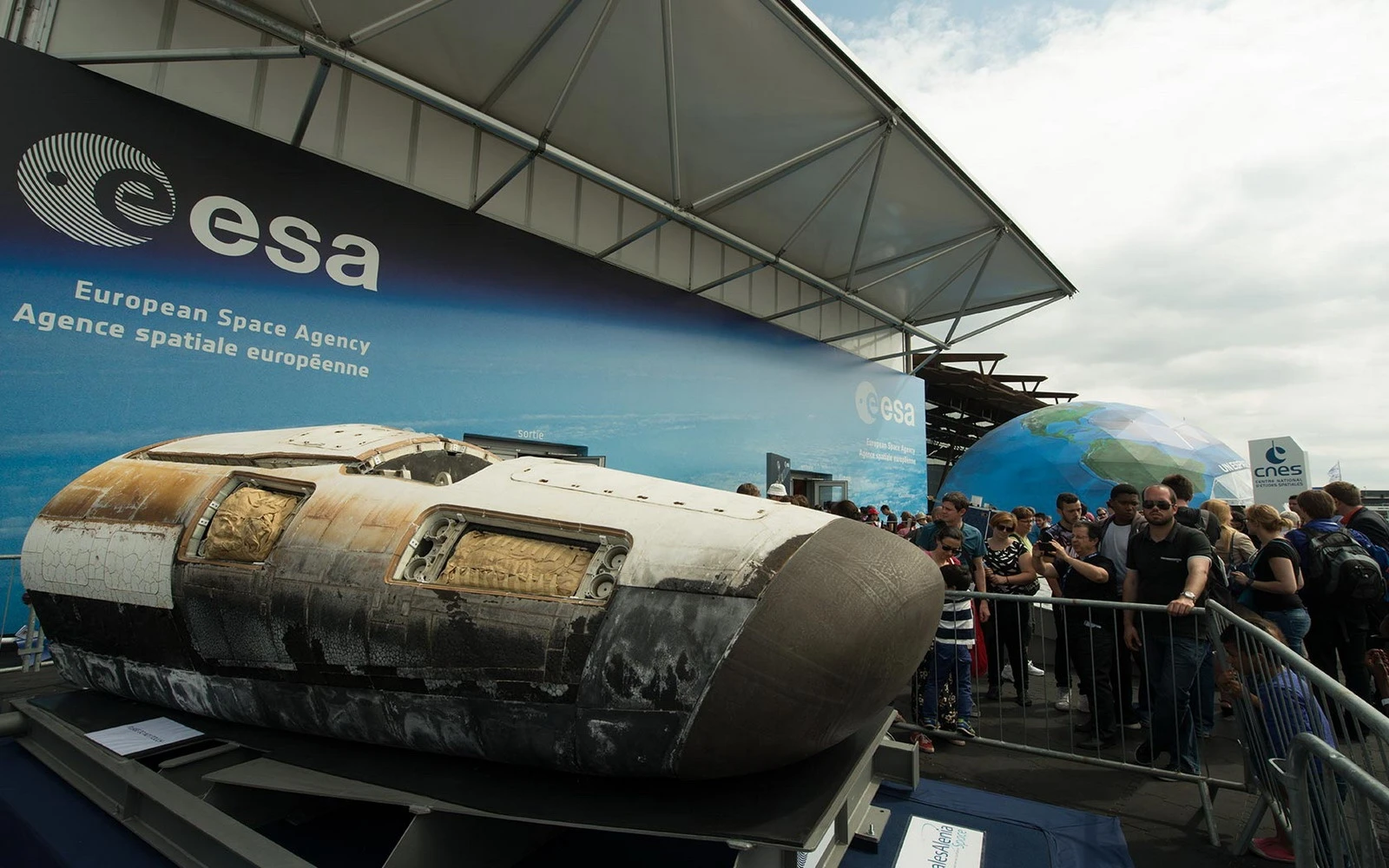
From NASA to the European Space Agency (ESA), the latter’s IXV mission marked a turning point for cork. As Jean-Jacques Dordain, ESA’s former Director-General, noted, cork was critical for the Ablative Thermal Protection System during re-entry. See Amorim, 2015.
And this is how it works. The Portuguese cork leader, Amorim Cork Composites, partnered with Thales Alenia Space to develop the P50 cork, a silicone-cork hybrid to shield antennas and electronics from EMI. This composite can withstand up to 2,200°C (3992°F ) during atmospheric re-entry.
But back on Earth, cork is applied to EVs, electric Vertical Take-Off and Landing (eVTOLs), and Beyond. With EVs, Tesla and other EV makers use cork-polymer composites for dashboards, door panels. Cork is 50% lighter than synthetics with a much better carbon footprint. It is also ideal for acoustic insulation, reducing noise by as much as 30% than synthetic alternatives.
On a personal note, I was one of the first EV journalists to test the BMW electric i3 in 2014. I remember being impressed by the cork-trimmed interior as a way to show that ‘eco-luxury’ wasn’t an oxymoron.
Slightly back up with Advanced Air Mobility (AAM), cork is an ideal material to help with fireproofing. Its stable make-up makes it ideal for eVTOLs for their battery shielding. It can withstand fires up to 1,200°C or 392°F. It is also ideal for vibration damping, which is so critical for organ transport, especially as we now turn our attention to drones. This extends to other industries, such as rail and maritime. Cork-rubber mounts dampen vibrations in high-speed rail and on sea vessels. Airbus uses it as cryogenic insulation for its hydrogen fuel system testing.
Cork’s Superpowers By the Numbers
Property
Value
Outperforms
Thermal Conductivity
0.04 W/m·K
Fiberglass (0.05 W/m·K)
EMI Shielding
60–80 dB attenuation
Most plastics
Sustainability
100% biodegradable
Aluminum/synthetics
Source: Fraunhofer Institute, 2023
The Cork Sustainability Prowess
After a devastating 2011 fungi attack, Amorim doubled down on R&D and today proved through this study that cork stoppers are 25% more sustainable than aluminum and synthetics. The Corticeira Amorim’s study, (“Analysis of the life cycle of Cork, Aluminum and Plastic Wine Closures”), developed by PricewaterhouseCoopers, concluded that, “concerning the emission of greenhouse gases, each plastic stopper released 10 times more CO2, whilst an aluminium screw cap releases 26 times more CO2 than does a cork stopper. For example, to produce 1,000 cork stoppers 1.5 kg CO2 are emitted, but to produce the same amount of plastic stoppers 14 kg of CO2 are emitted and for the same amount of aluminium screw caps 37 kg CO2 are emitted.”
And with zero waste, 70% of Amorim’s energy comes from cork byproducts. Cork’s carbon-negative footprint means cork oak forests absorb 14M tons/year of CO₂.
Today, NASA’s Artemis Program is testing cork for lunar habitat insulation. Even MIT is embedding sensors with cork for real-time battery health monitoring.
Cork reminds us that sometimes, the best solutions aren’t invented. Earth has fashioned them for millions of years. So next time you pop a bottle, take a moment to remember that this ‘humble’ material is shielding a spacecraft, satellites, EVs, and your future eVTOL.”
From Wine Bottles to Spacecraft: Cork’s Silent Revolution in Mobility!
In this episode of The Ways We Move, Nicolas Zart uncorks the untold story of a material quietly reshaping sustainable mobility—from NASA’s Mars landers to BMW’s electric vehicles, rail, maritime, and more.
🔊 Key Insights:
Space-Tested: How cork shields spacecraft during re-entry (and why NASA is eyeing it for lunar habitats).
EV Revolution: Cork’s role in lightweighting and soundproofing electric vehicles.
Carbon-Negative: Why harvesting cork saves forests and outperforms aluminum/plastic.
Future Frontiers: Cork’s potential in Advanced Air Mobility (AAM) and beyond.
🕒 Chapters: 00:00 – Cork’s Ancient Legacy Meets Modern Mobility 02:49 – NASA, ESA, and the Space-Grade Cork Revolution 05:34 – How BMW and Tesla Are Using Cork Today 10:57 – Why Cork is the Ultimate Sustainable Material 14:41 – What’s Next? Cork in eVTOLs and Lunar Base
Contains information related to marketing campaigns of the user. These are shared with Google AdWords / Google Ads when the Google Ads and Google Analytics accounts are linked together.
90 days
__utma
ID used to identify users and sessions
2 years after last activity
__utmt
Used to monitor number of Google Analytics server requests
10 minutes
__utmb
Used to distinguish new sessions and visits. This cookie is set when the GA.js javascript library is loaded and there is no existing __utmb cookie. The cookie is updated every time data is sent to the Google Analytics server.
30 minutes after last activity
__utmc
Used only with old Urchin versions of Google Analytics and not with GA.js. Was used to distinguish between new sessions and visits at the end of a session.
End of session (browser)
__utmz
Contains information about the traffic source or campaign that directed user to the website. The cookie is set when the GA.js javascript is loaded and updated when data is sent to the Google Anaytics server
6 months after last activity
__utmv
Contains custom information set by the web developer via the _setCustomVar method in Google Analytics. This cookie is updated every time new data is sent to the Google Analytics server.
2 years after last activity
__utmx
Used to determine whether a user is included in an A / B or Multivariate test.
18 months
_ga
ID used to identify users
2 years
_gali
Used by Google Analytics to determine which links on a page are being clicked
30 seconds
_ga_
ID used to identify users
2 years
_gid
ID used to identify users for 24 hours after last activity
24 hours
_gat
Used to monitor number of Google Analytics server requests when using Google Tag Manager