The EU’s Sustainable Transport Investment Plan directs nearly €3 billion toward SAF and e‑kerosene. Beyond fuels, it defines the energy and investment environment in which Europe’s Advanced Air Mobility ecosystem will grow.


The EU’s Sustainable Transport Investment Plan directs nearly €3 billion toward SAF and e‑kerosene. Beyond fuels, it defines the energy and investment environment in which Europe’s Advanced Air Mobility ecosystem will grow.

Five years ago, eVTOLs were ‘coming in 2025.’ Now it’s 2026. Joby, Archer, Vertical race for FAA certs—but energy infrastructure, not airframes, holds the real key.

As electric air mobility takes flight, the US Postal Service eyes electric airplanes for New York-Detroit mail routes. Leaders like BETA Technologies and Electra.aero drive hybrid-electric advances, slashing emissions and unlocking short takeoffs. This 750-word read covers the shift for aviation pros.

Veteran aviation expert Oscar Lara joins The Ways We Move podcast to demystify eVTOL’s future: from blending fixed-wing efficiency with VTOL flexibility, to navigating FAA certification hurdles and building vertiport infrastructure. Essential listen for AAM stakeholders. Watch now: https://youtu.be/HiTHqGd3MFs

Advanced air mobility shifts from prototypes to operations in 2026. Joby enters FAA test flights, Archer eyes Miami routes, Eve secures US funding, and vertiports face power constraints.

Everyone in Advanced Air Mobility knows the truth: we’re developing revolutionary electric aircraft using century-old business models. People leave traditional aviation frustrated, join AAM startups promising change, then fall right back into the same patterns. The technology works—electric aircraft are proven 2-3x more efficient than conventional aircraft. So why do we keep choosing outdated frameworks? Explore what really holds AAM back and what needs to change.

Cybersecurity is rapidly becoming one of the most critical challenges for advanced air mobility. In this episode, AJ Khan of Vehiqilla explains why a holistic, ecosystem-wide approach is vital to protect fleets, infrastructure, and passengers in a world where every connection is a potential risk.

The FAA has released a proposed rule that would require most U.S. aircraft to upgrade their radio altimeters to withstand 5G interference. This change will affect not only airlines and business jets, but also future advanced air mobility (AAM) aircraft that rely on precise low‑altitude height data for safe urban operations.
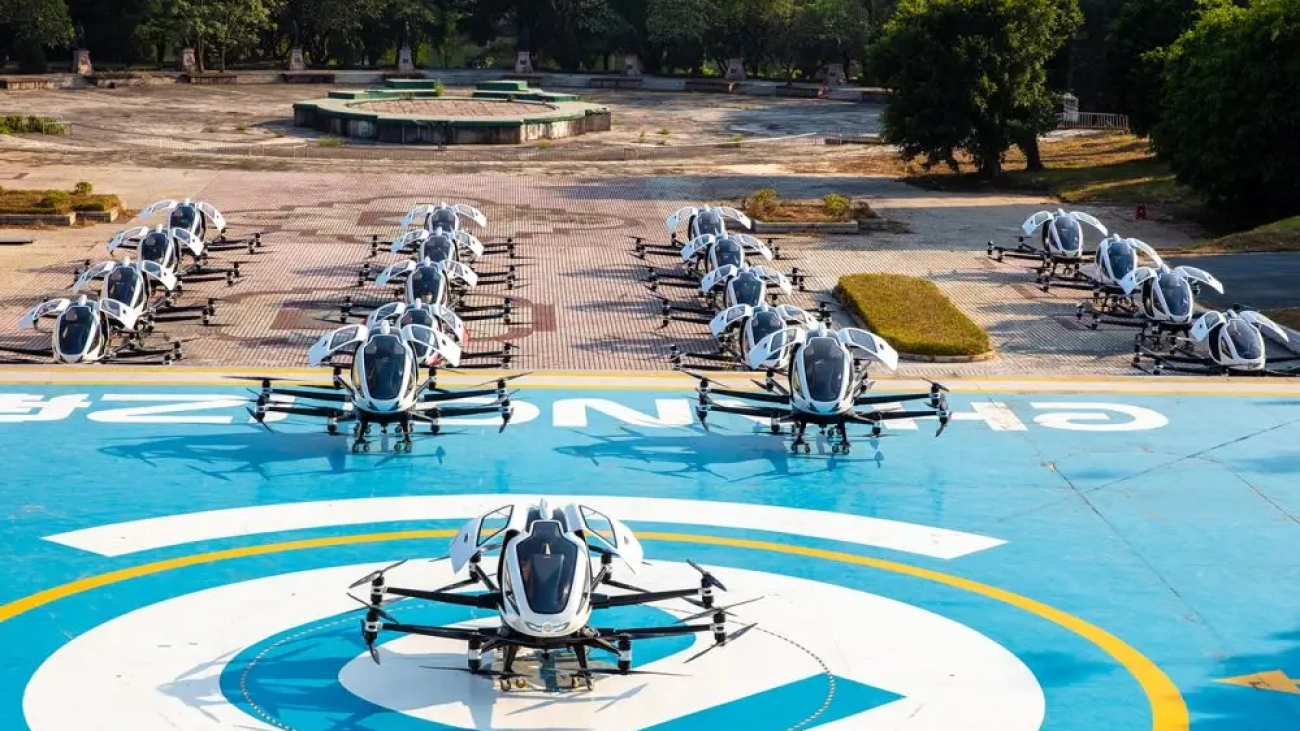
EHang’s VT35 is more than a new airframe; it is the long‑range link that turns today’s EH216‑S urban air taxi routes into a wider, intercity network. With a 200 km design range, compatibility with existing vertiports, and strong backing from Hefei’s low‑altitude economy strategy, the VT35 shows how China plans to scale autonomous passenger eVTOLs from sightseeing flights to everyday regional transport.

Vertical Aerospace reveals Valo, its production eVTOL succeeding VX4. 100-mile range, premium 4-6 seat cabin, largest luggage class. UK air taxi network and Riviera routes announced.